Concept

Sagas of Sand

Mapping sand’s journey through systems thinking
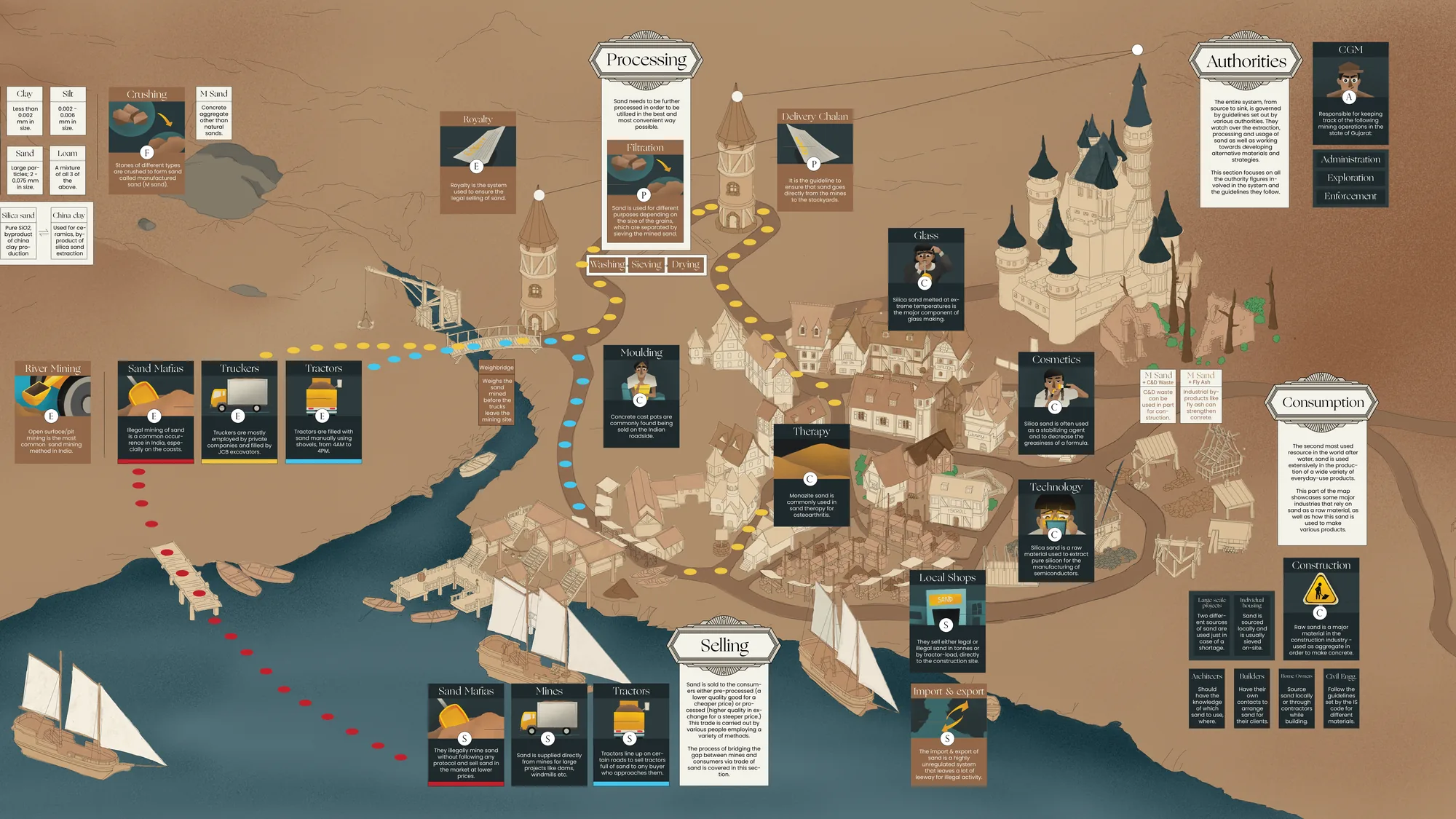
The Gigamap’s main map: a painted medieval town on a river, with cards for extraction, processing, selling, consumption and the authorities, joined by dotted routes

Summary

Sand is the second most consumed natural resource, yet its role in development is often overlooked. We looked at how sand is extracted, regulated and sold in India, through fieldwork and systems mapping, and put it all into one illustrated map: the Gigamap.

Team

  • Lavnik Poddar
  • Mansi Aggarwal
  • Varun Sai Koruprolu
  • Yatin Seth
  • Guides: Praveen Nahar,
  • Sahil Thappa

Platform

  • Blender and Rhino
  • Illustrator and Photoshop
  • Miro
  • Printed booklet

Timeline

  • 10 weeks, 2022
  • NID, Semester 7
  • Ahmedabad and Gandhinagar

Context

Where it started

While browsing through articles one day, we came across a headline: someone had been caught stealing sand. It talked about sand mafias, illegal mining and construction rackets. Why would anyone steal sand?
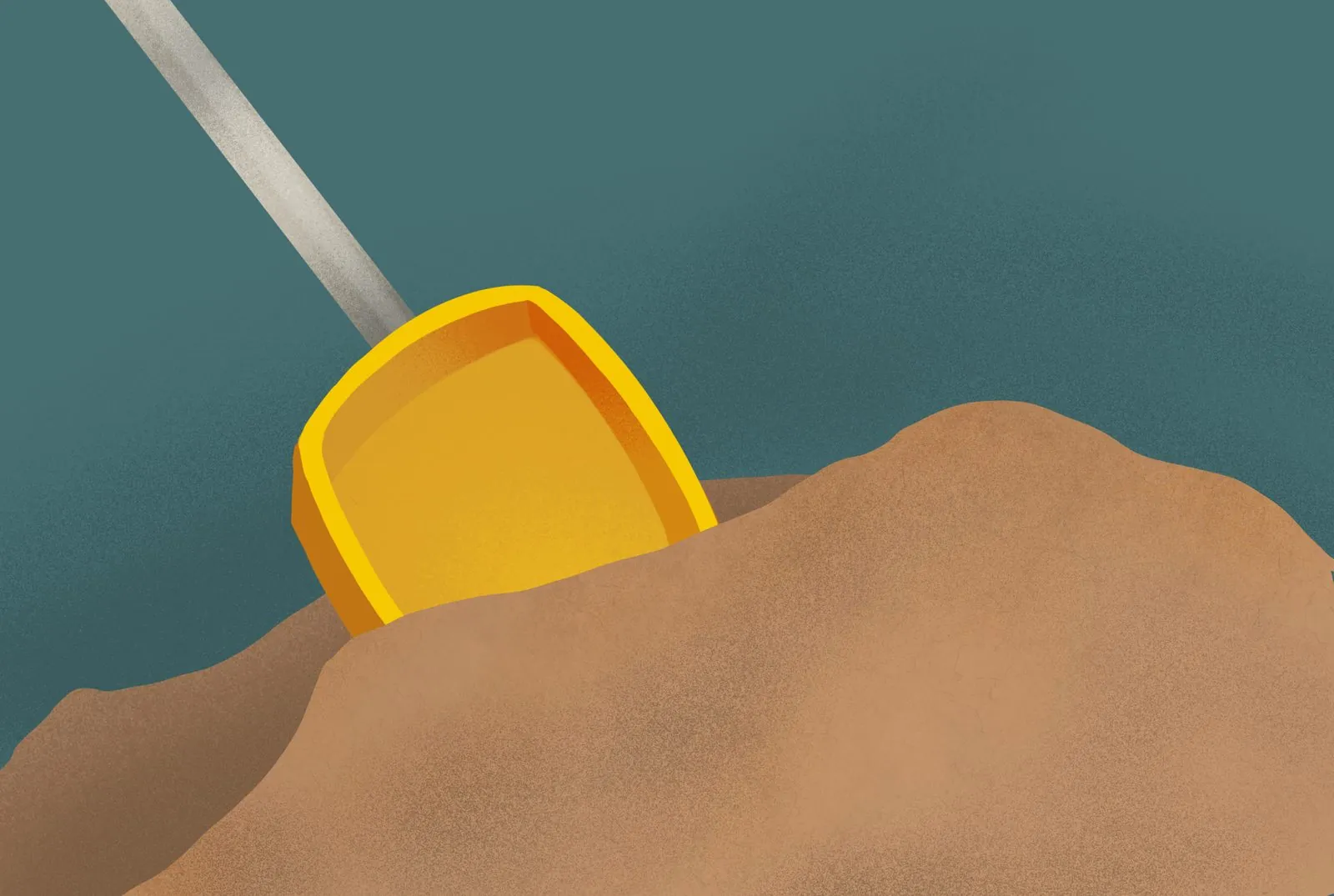
Card art from the Gigamap: a yellow shovel digging into a heap of sand

Second only to water

Sand is the second most consumed natural resource in the world, after water. It is in our buildings, roads, glass and digital devices. Yet construction booms have pushed demand far beyond what rivers can replenish.
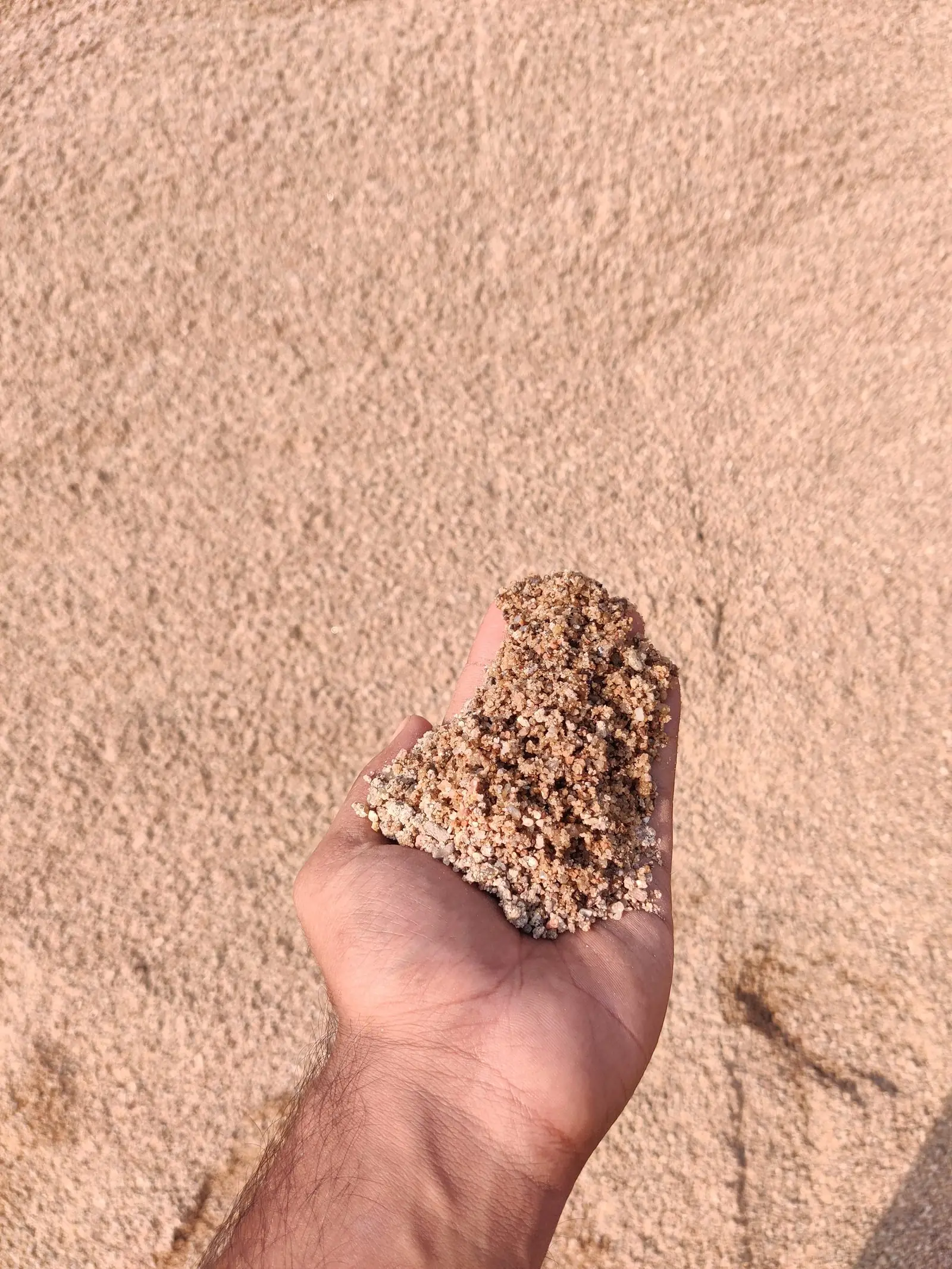
A hand holding coarse, graded construction sand

The questions

  1. If sand is everywhere, why is it becoming scarce?

  2. Why don’t we hear about it the way we hear about water or energy?

  3. What does it say about how we consume resources?

These questions led to Sagas of Sand.

The brief

Apply the systems approach to a complex situation. Ours: the consumption, movement and exploitation of sand in India.

Research

We began with quick secondary research, mapped the stakeholders and wrote to people we found online. Then we went to see sand for ourselves, collecting samples on the way.
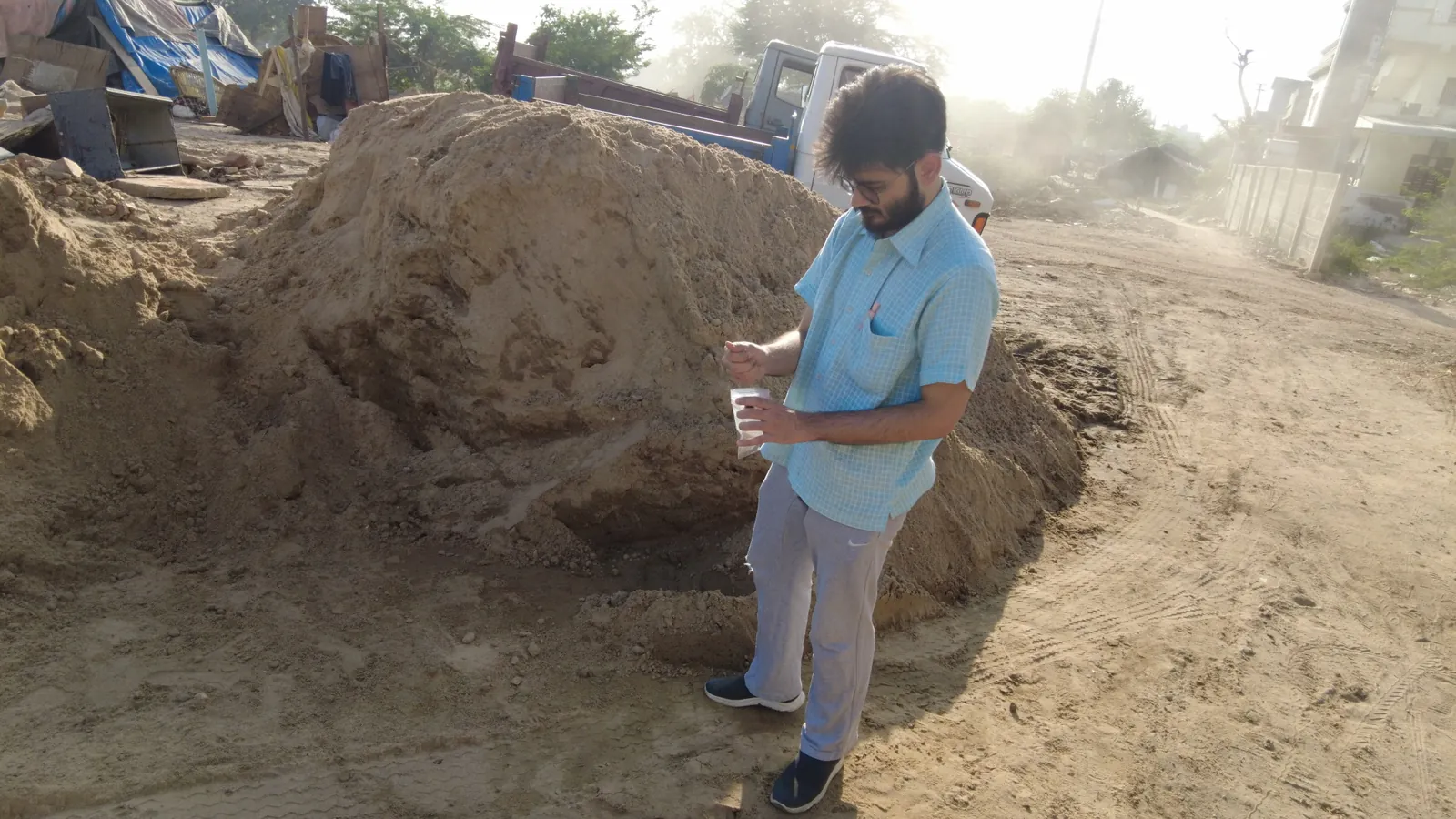
One of us beside a heap of sand at a vendor’s yard
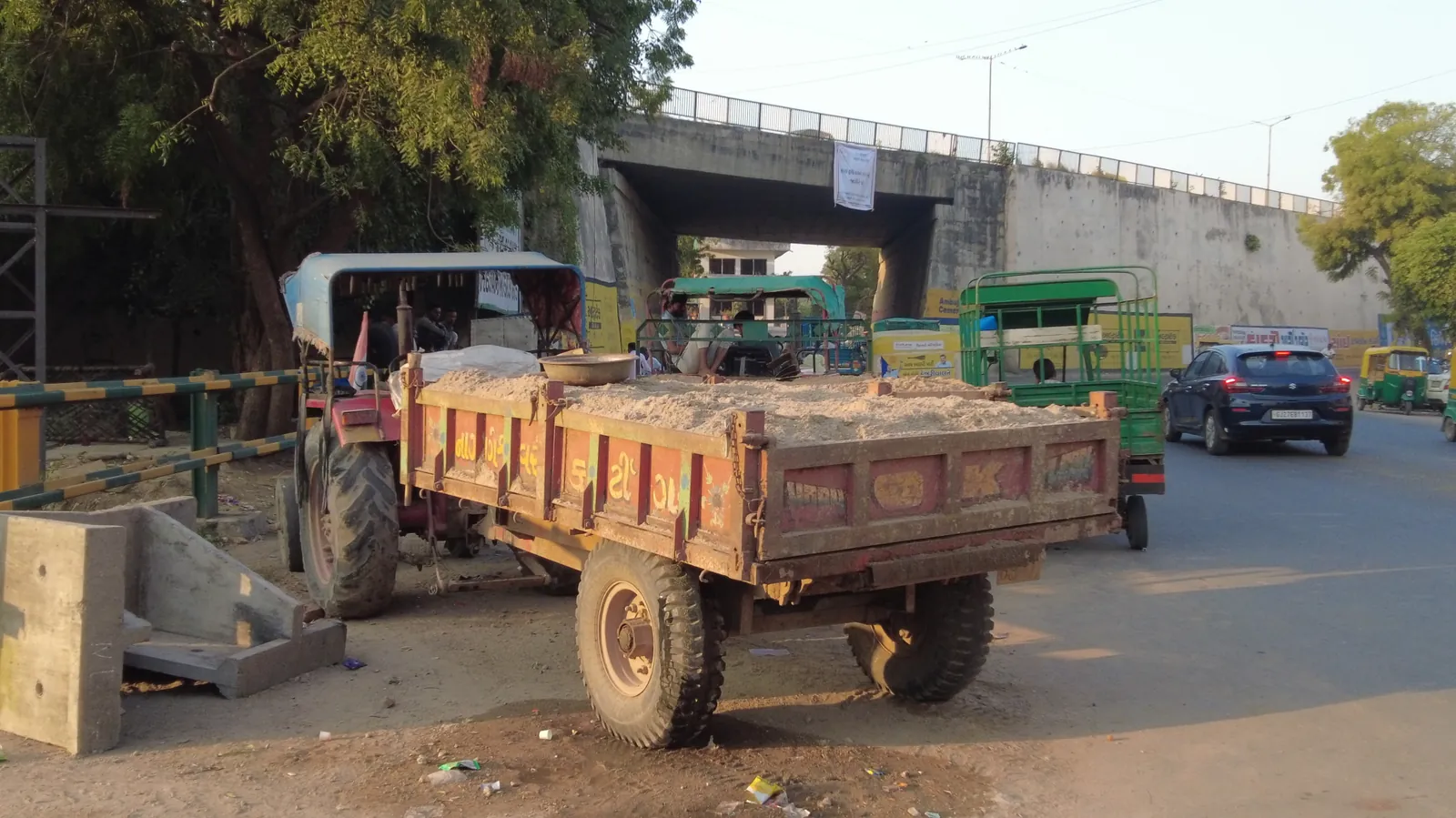
A tractor trolley full of sand parked under a flyover in Ahmedabad
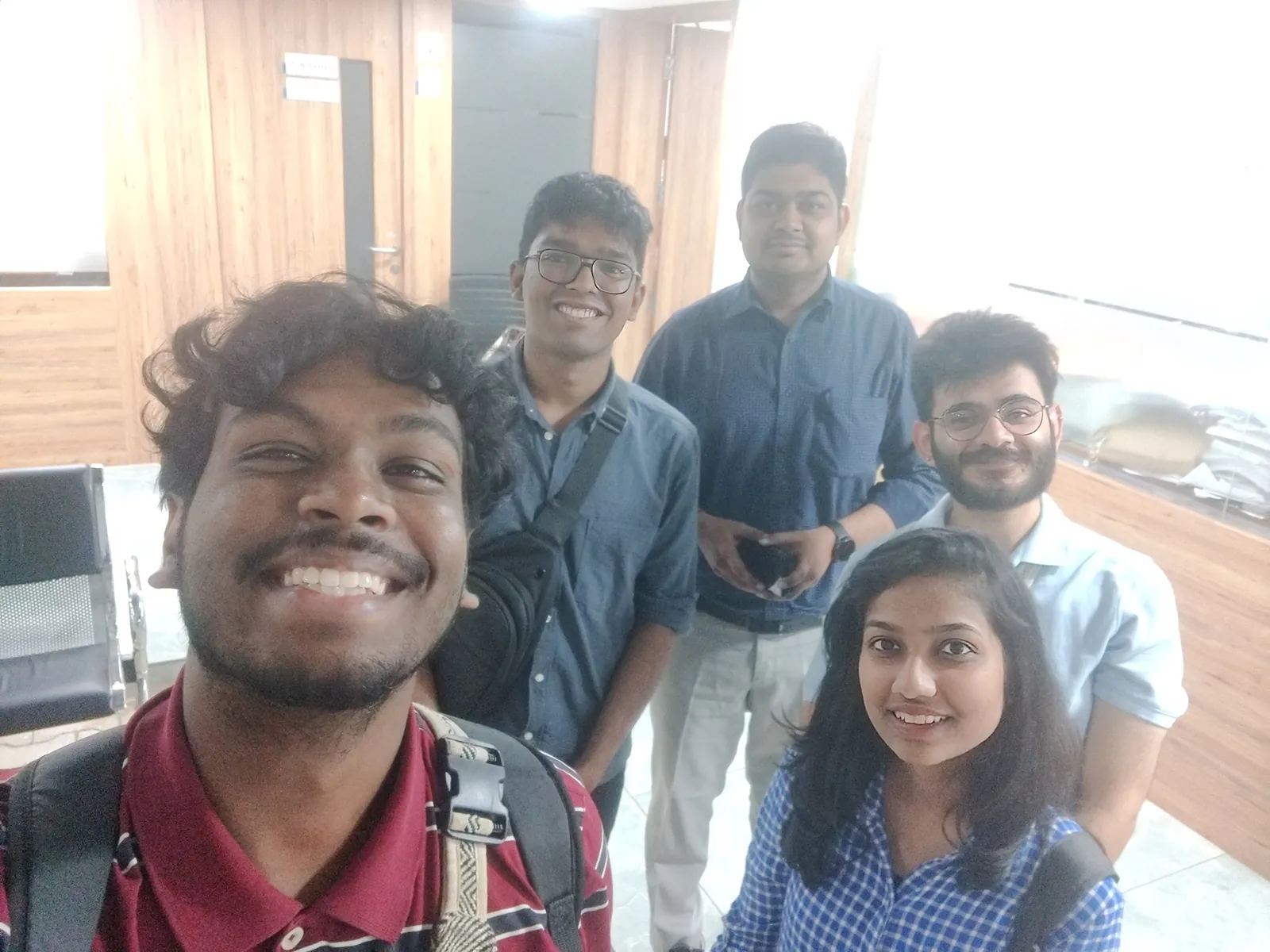
A selfie of the four of us indoors
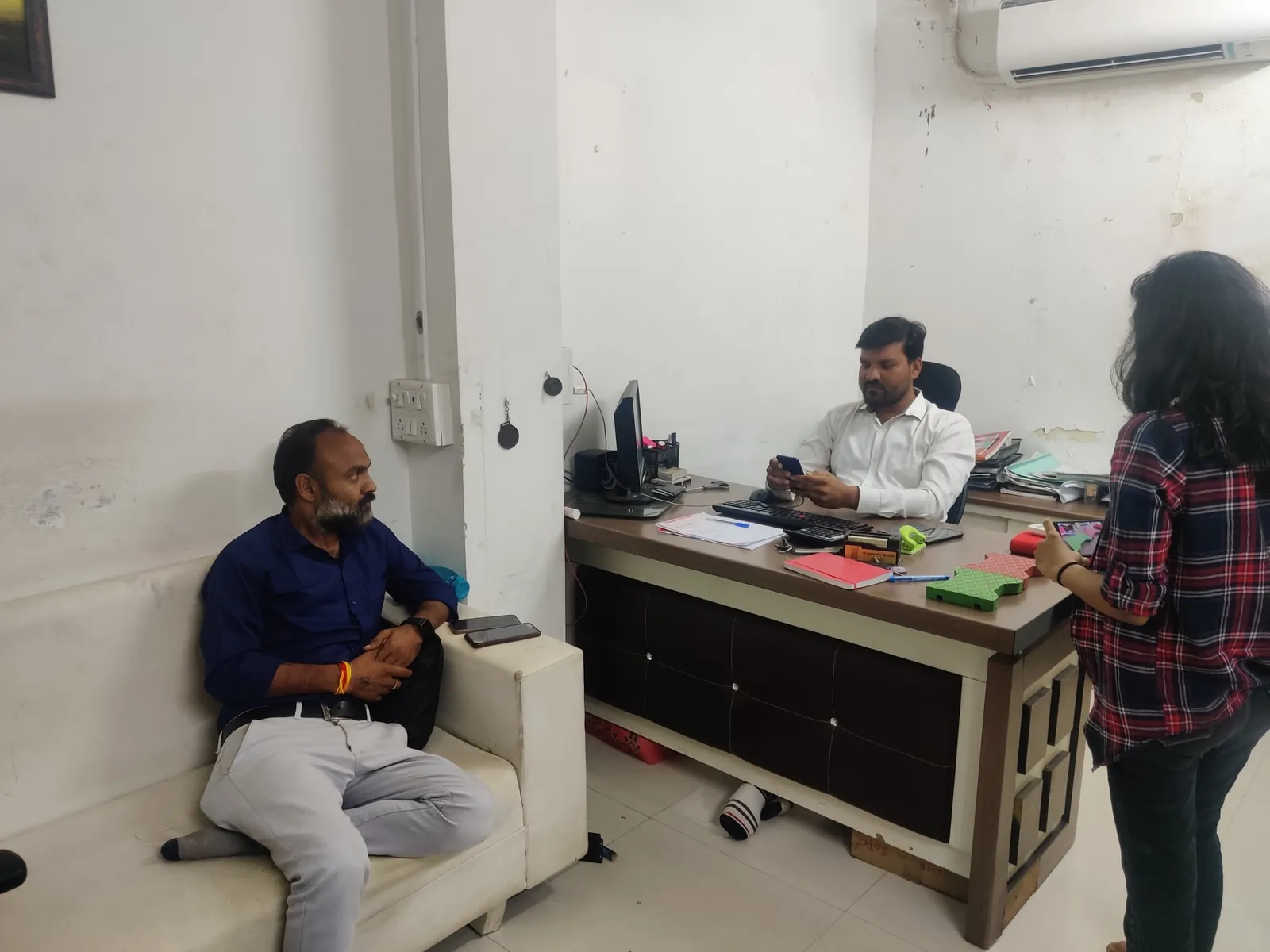
Two of us talking to officials across a desk at the mining office
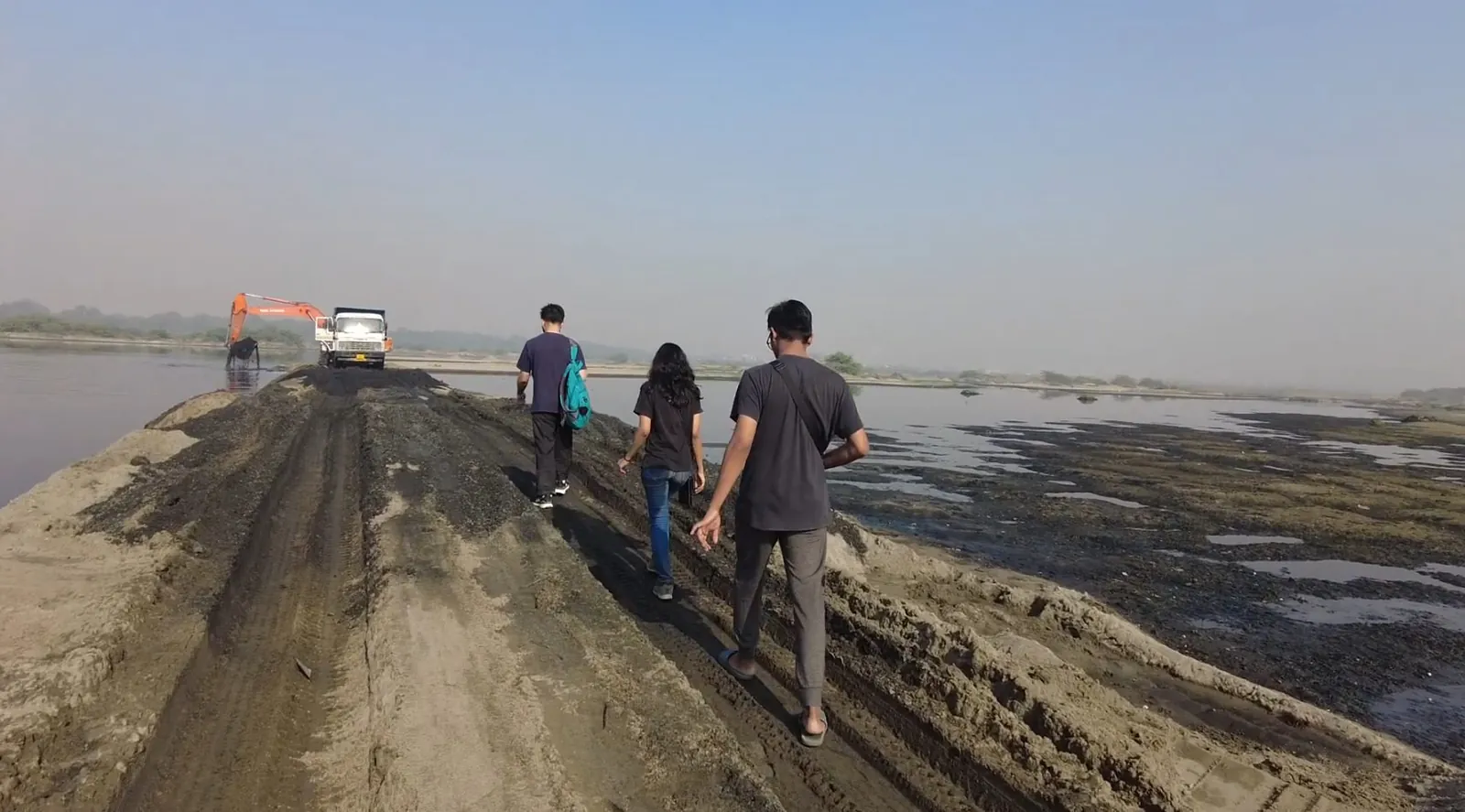
Three of us walking on a wet sand track towards an excavator on the Sabarmati
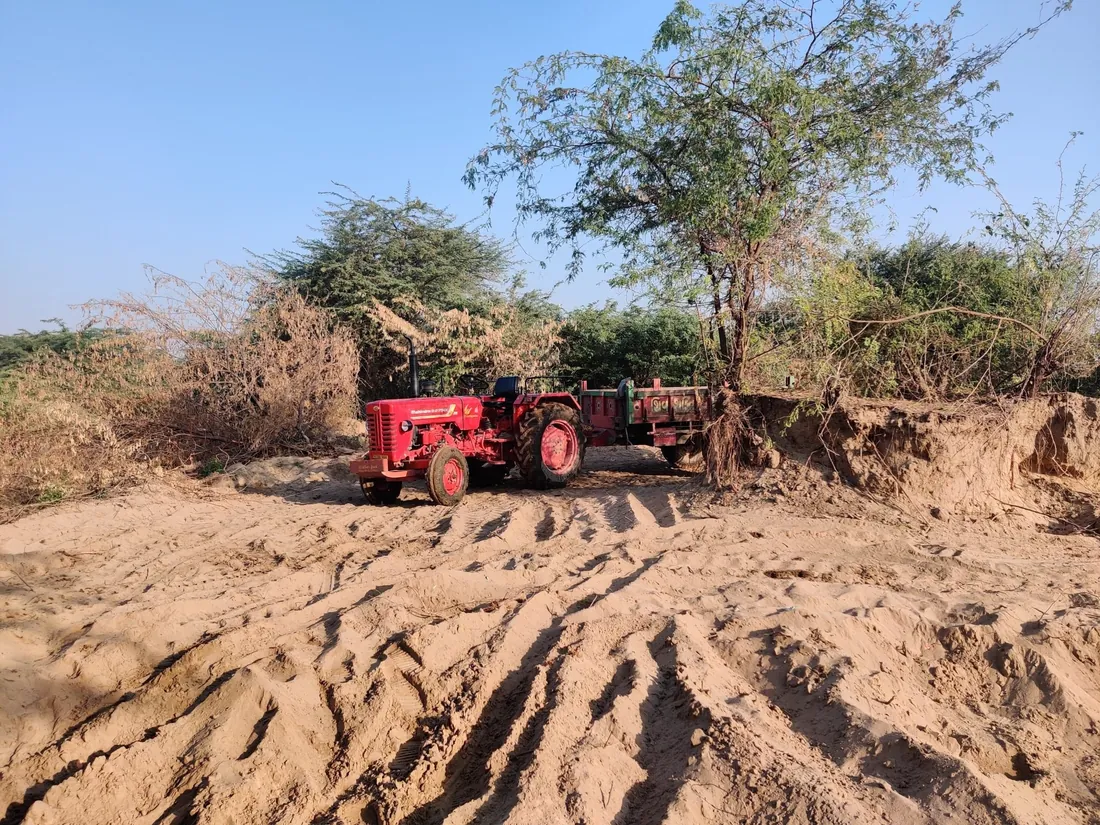
A red tractor at the edge of an open sand pit, under a tree
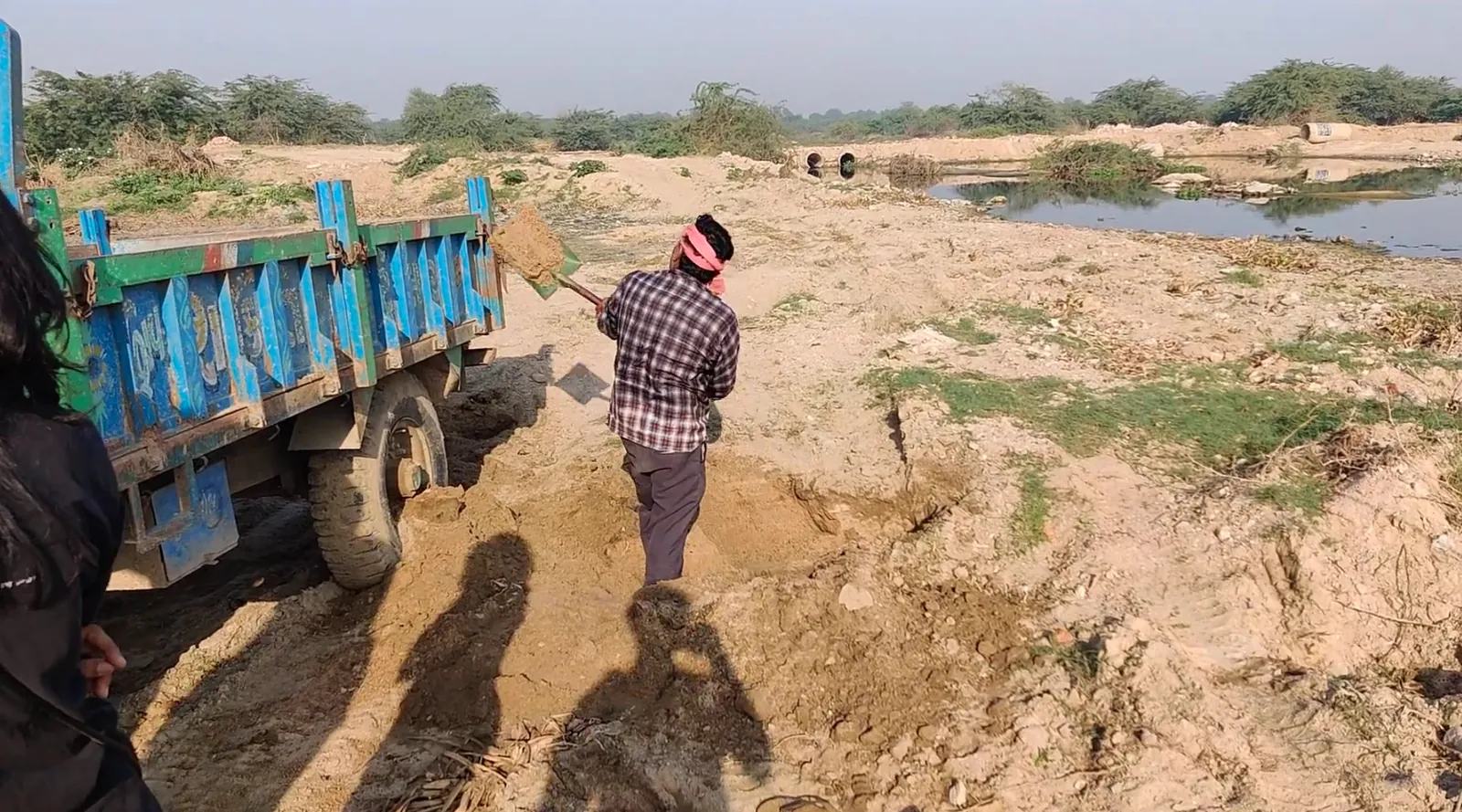
A man shovelling sand into a blue truck by a river
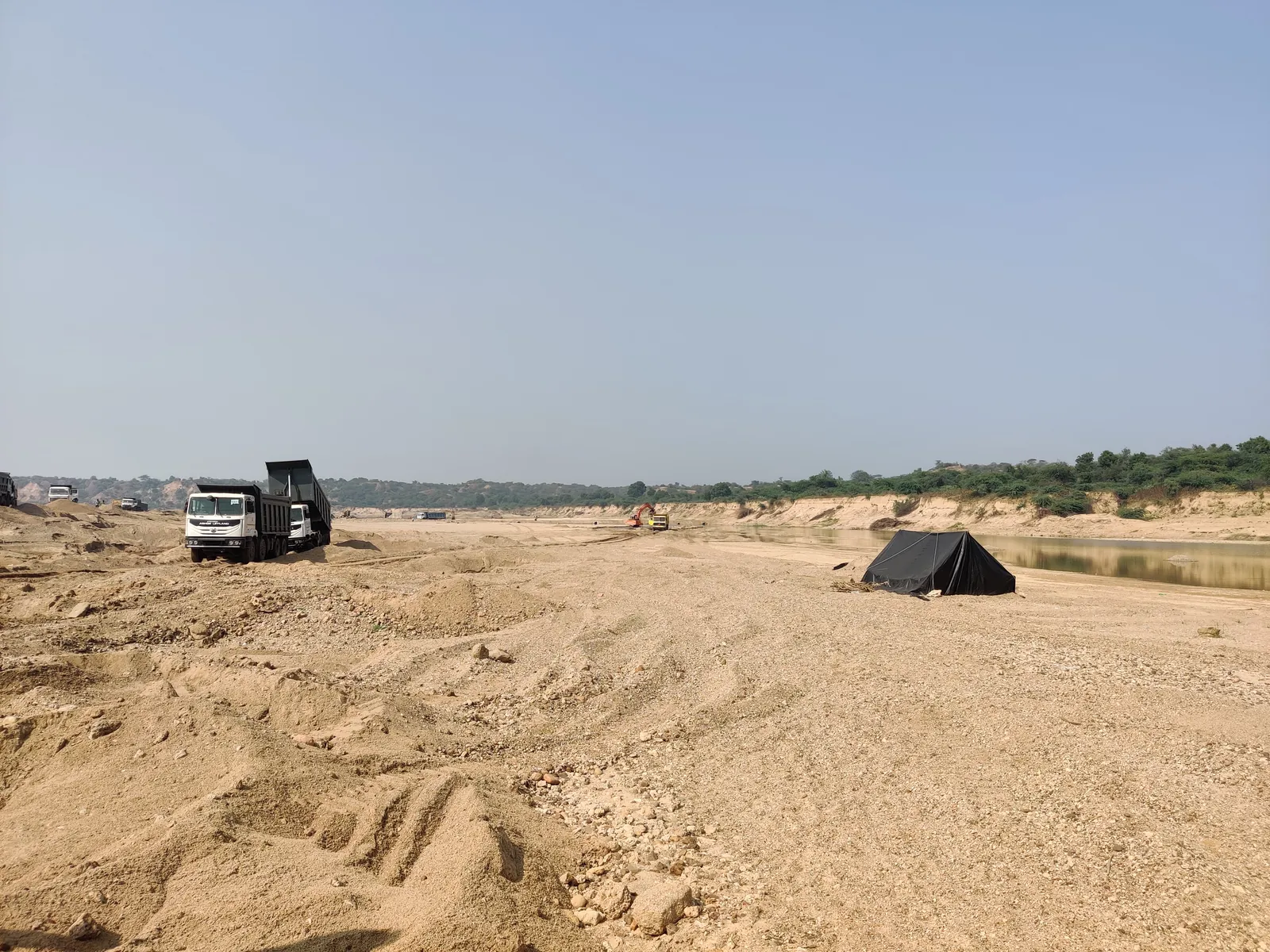
Trucks and a tent on a wide dry riverbed at the Gandhinagar mine
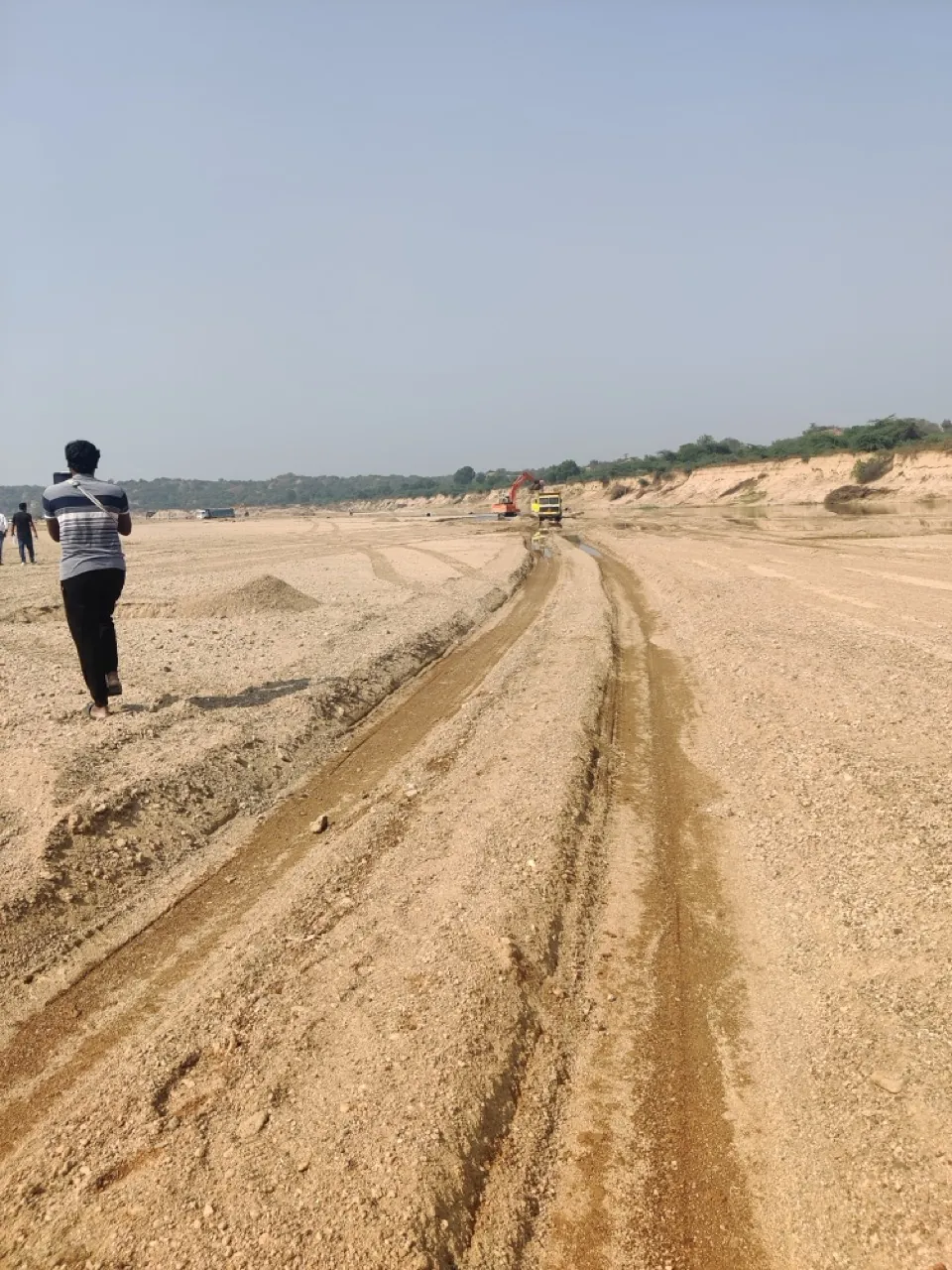
One of us walking along tyre tracks across the mine
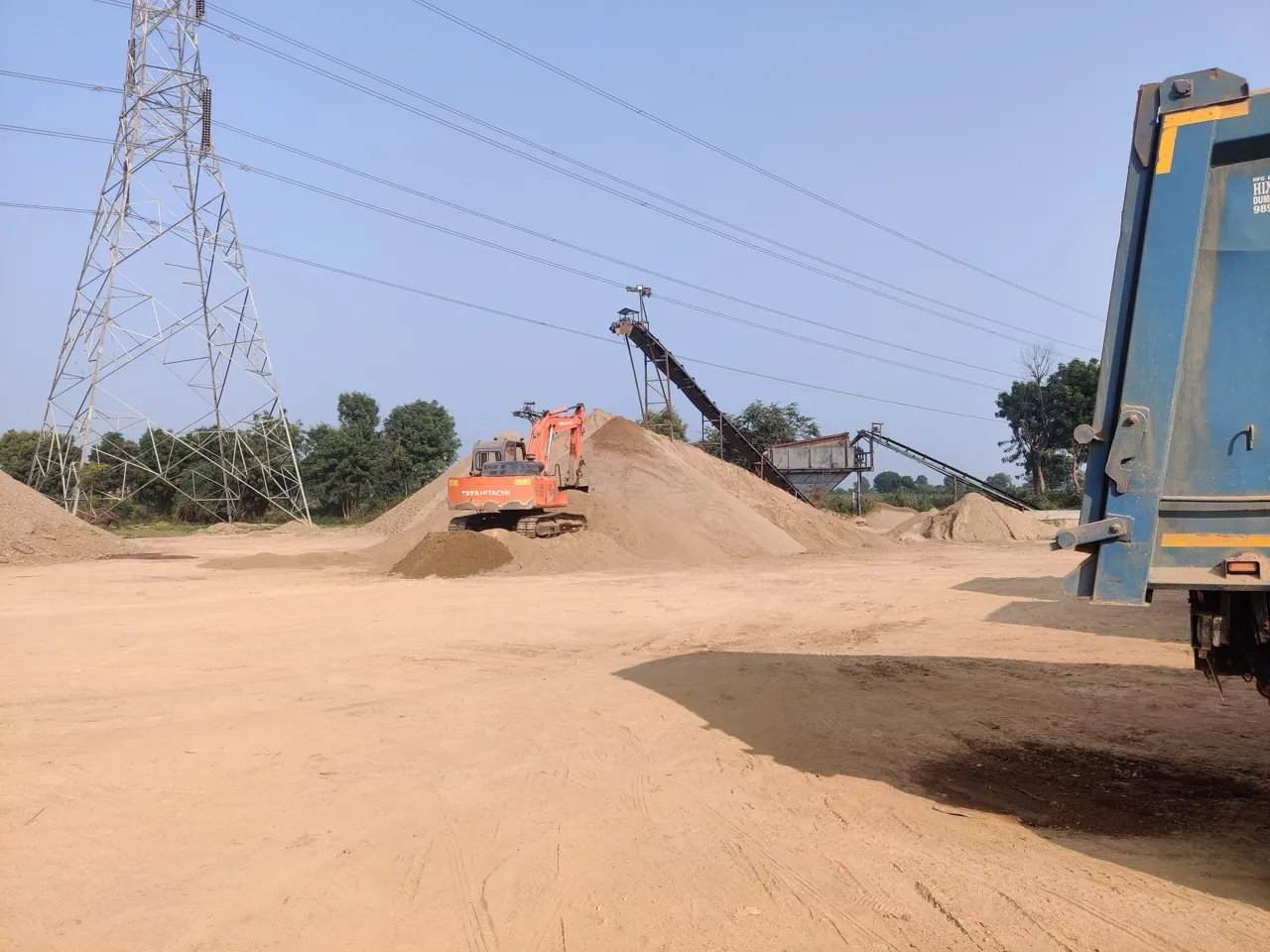
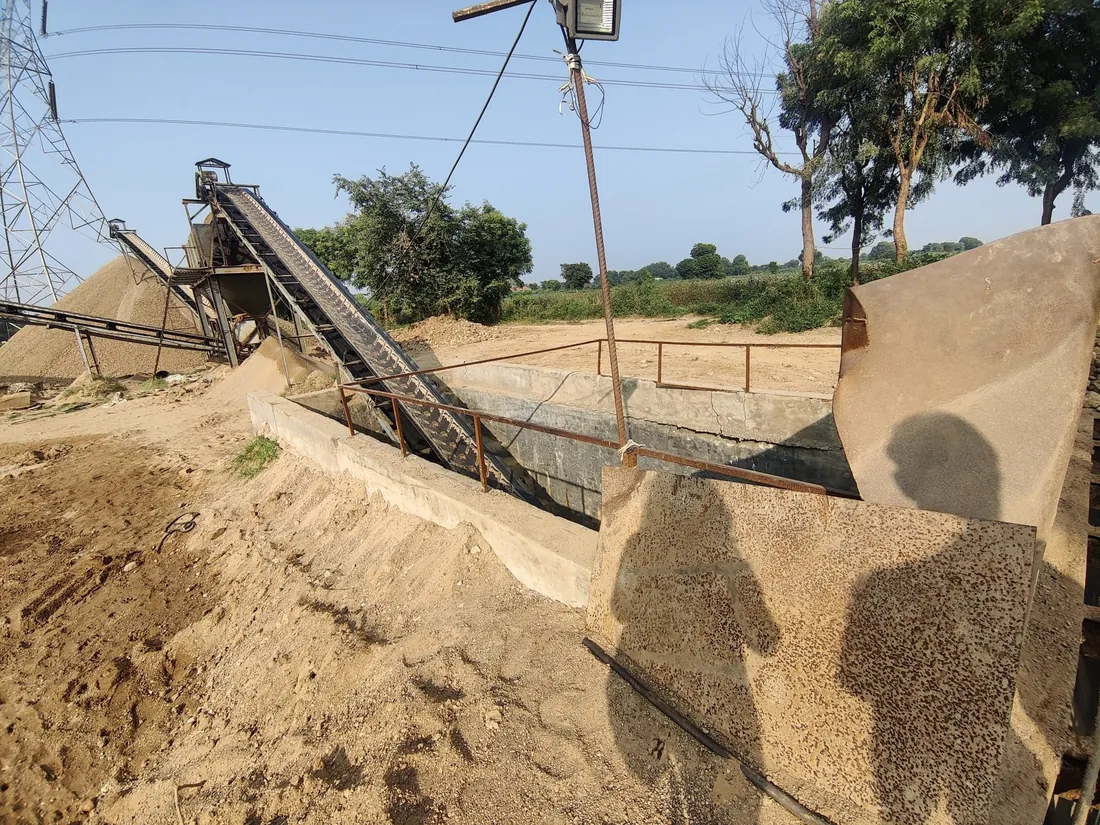
An orange excavator and a conveyor at the stockyard under power lines
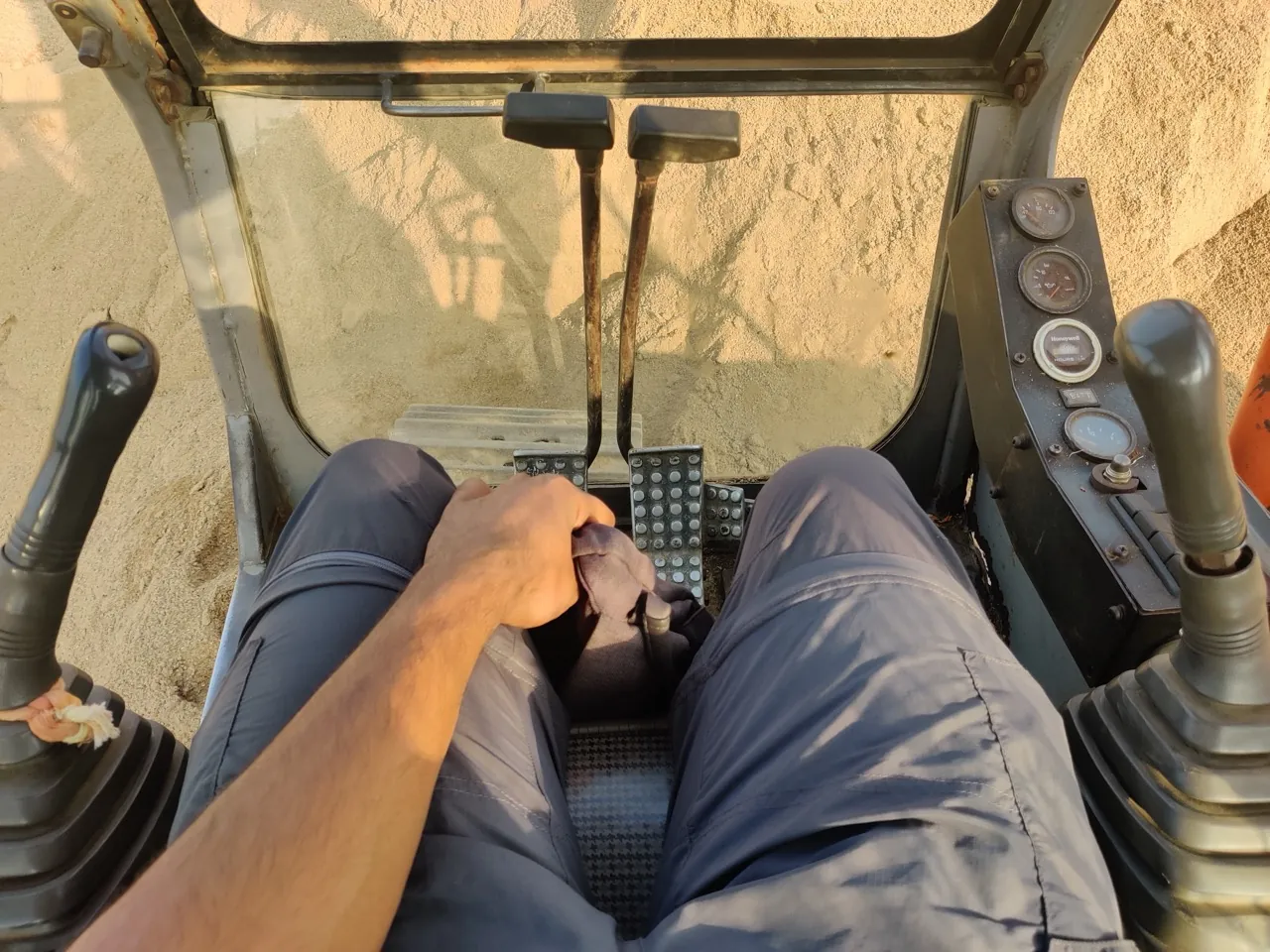
The controls of an excavator, seen from the driver’s seat
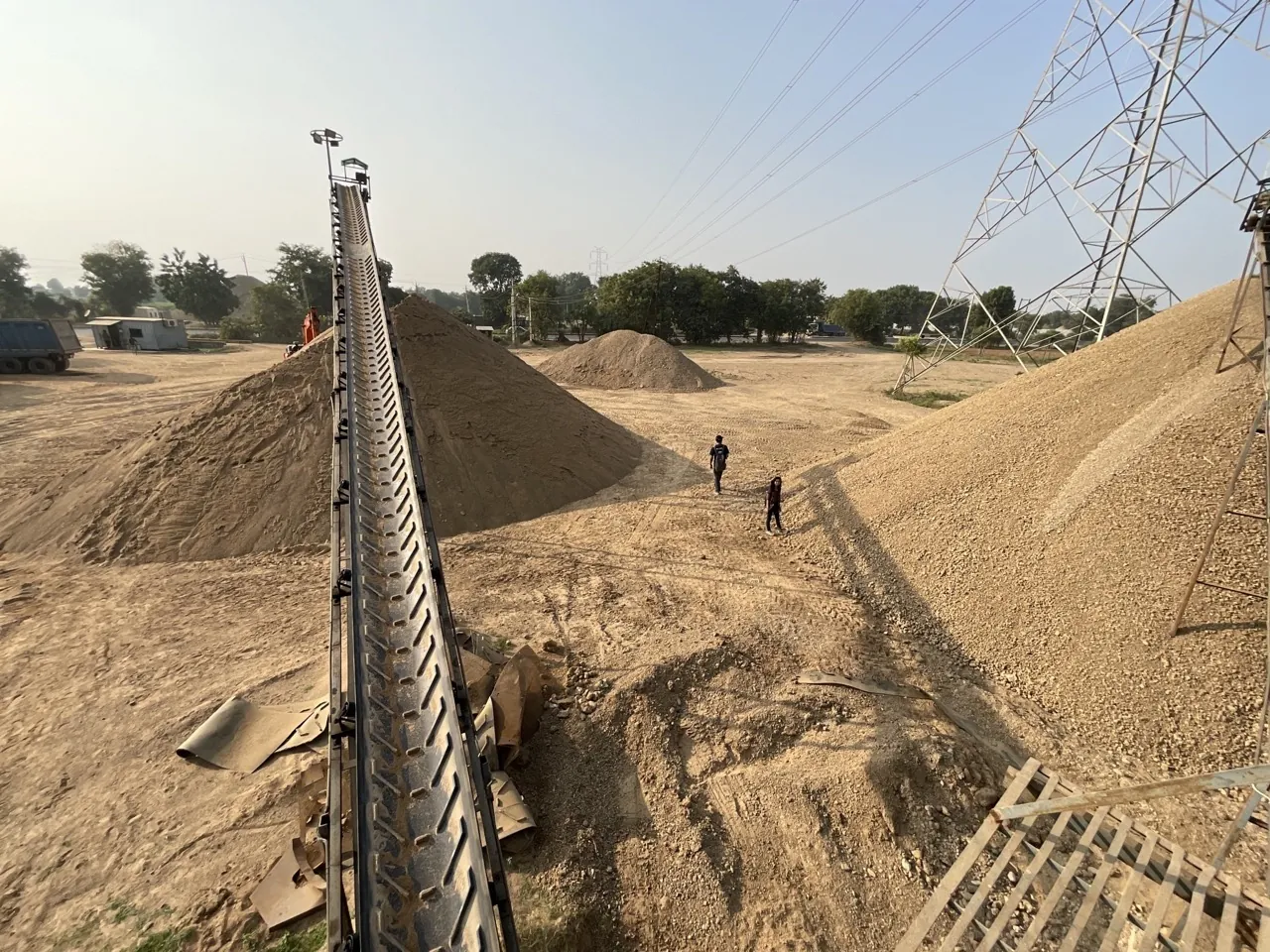
A long conveyor between heaps of graded sand

Our field visits, October to November 2022: sand vendors, the mining offices, an open pit near Bakrol and a regulated mine in Gandhinagar.

Field visits

Photo 1 of 12

One of us beside a heap of sand at a vendor’s yard
Sand vendors, Ahmedabad, October 2022.

Photo 2 of 12

A tractor trolley full of sand parked under a flyover in Ahmedabad
A tractor trolley of sand parked on a city road.

Photo 3 of 12

A selfie of the four of us indoors
The four of us during the visits.

Photo 4 of 12

Two of us talking to officials across a desk at the mining office
Asking questions at the mining office.

Photo 5 of 12

Three of us walking on a wet sand track towards an excavator on the Sabarmati
Bakrol, 3 November 2022: walking out to the dredging site.

Photo 6 of 12

A red tractor at the edge of an open sand pit, under a tree
An open pit on the dried Sabarmati riverbed.

Photo 7 of 12

A man shovelling sand into a blue truck by a river
Sand being shovelled into a truck by hand.

Photo 8 of 12

Trucks and a tent on a wide dry riverbed at the Gandhinagar mine
Gandhinagar, 15 November 2022: the regulated mine on the riverbed.

Photo 9 of 12

One of us walking along tyre tracks across the mine
Walking the mine.

Photo 10 of 12

An orange excavator and a conveyor at the stockyard under power lines
An excavator loading sand at the stockyard.

Photo 11 of 12

The controls of an excavator, seen from the driver’s seat
In the excavator’s cab.

Photo 12 of 12

A long conveyor between heaps of graded sand
The stockyard conveyor and graded heaps.

Understanding sand

What is sand, where is it used, and why would someone steal it? We mapped a few broad stakeholder groups on Miro and reached out to them, just dipping our toes in the sand.
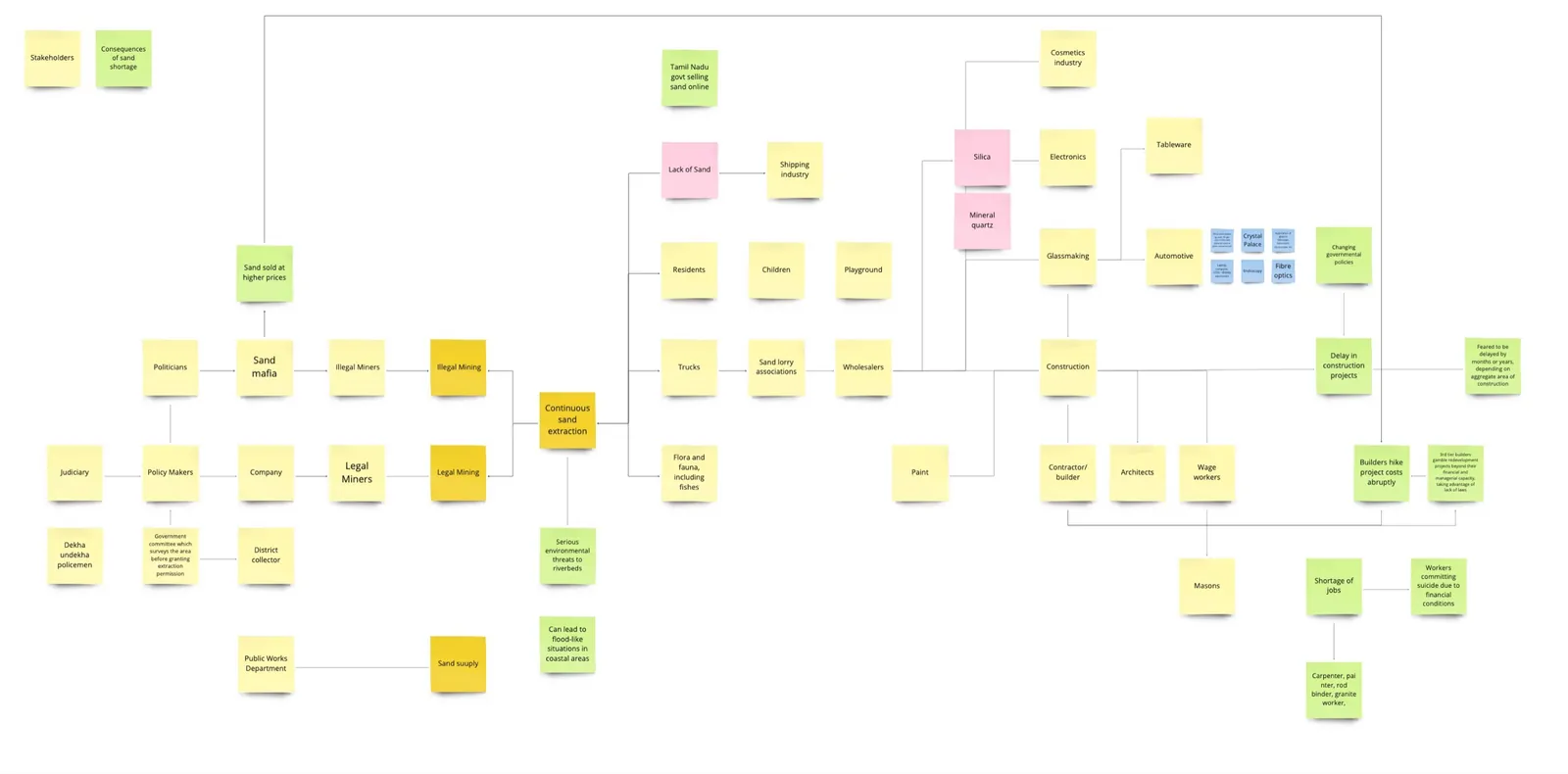
Our Miro stakeholder map: groups of sticky notes joined by lines

Sand vendors

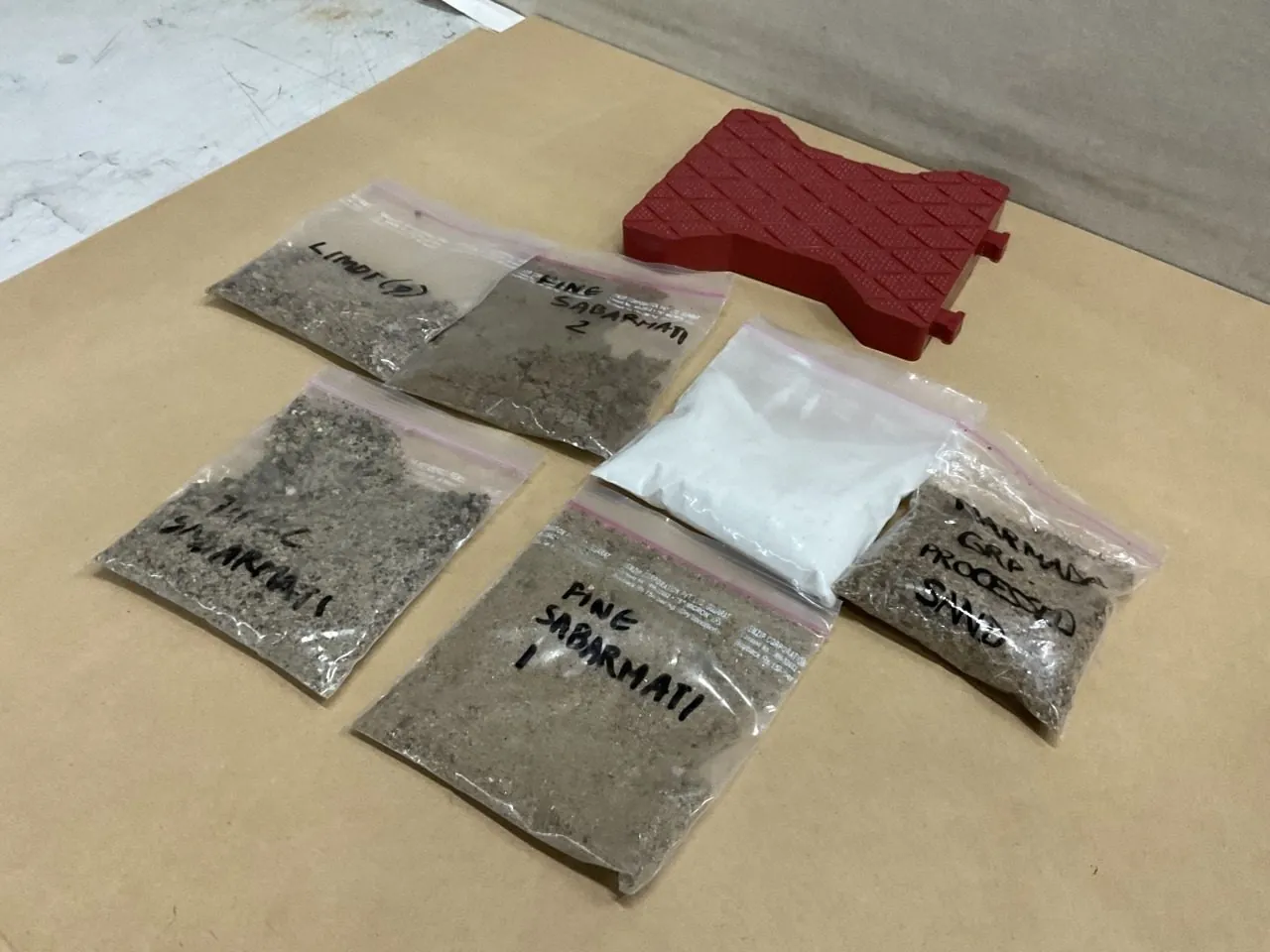
Shops and suppliers in Ahmedabad told us where their sand comes from and what it costs. We bagged a sample of each sand we found.
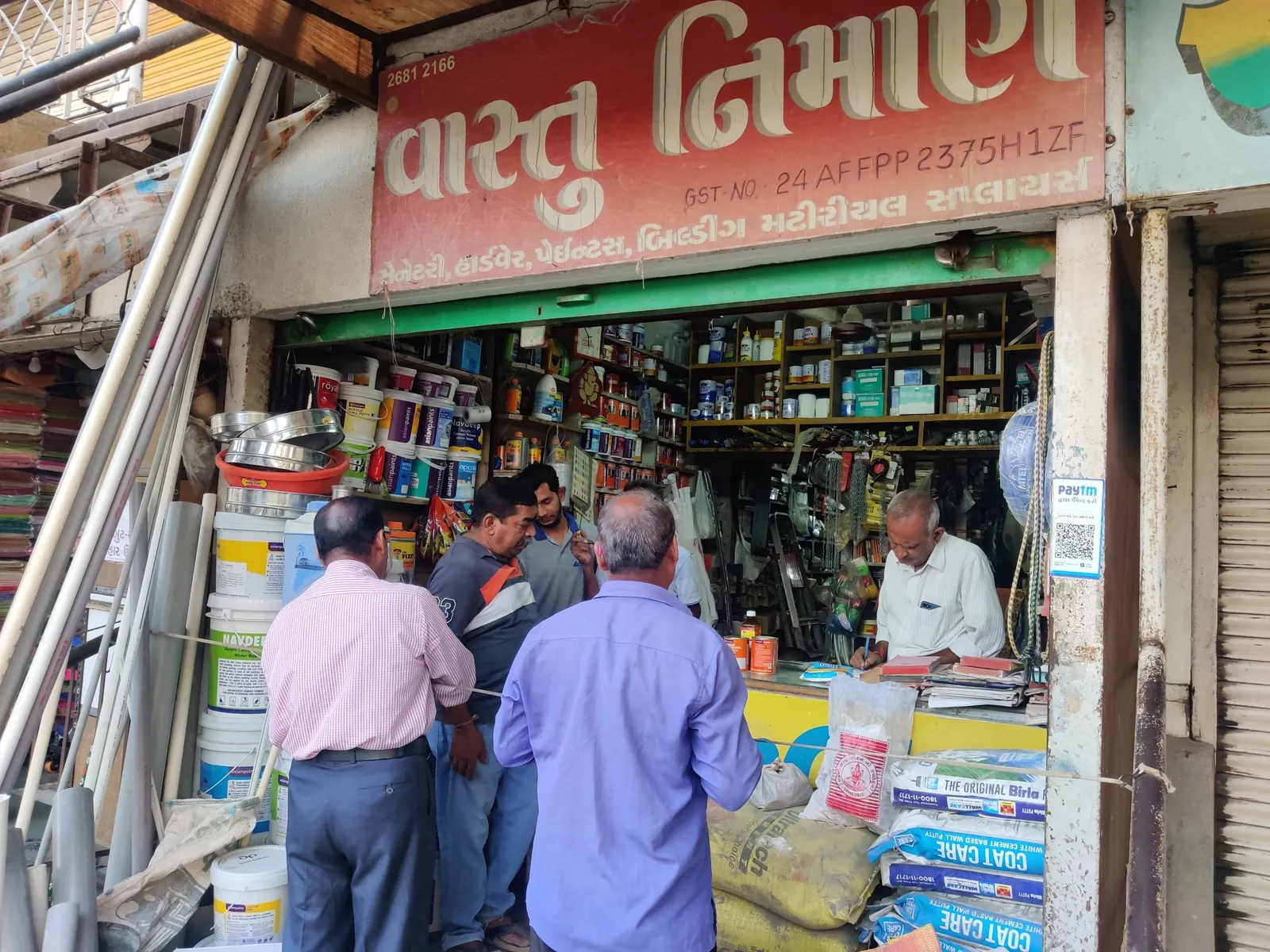
Three of us at the counter of a hardware and sand shop, Vastu Nirman
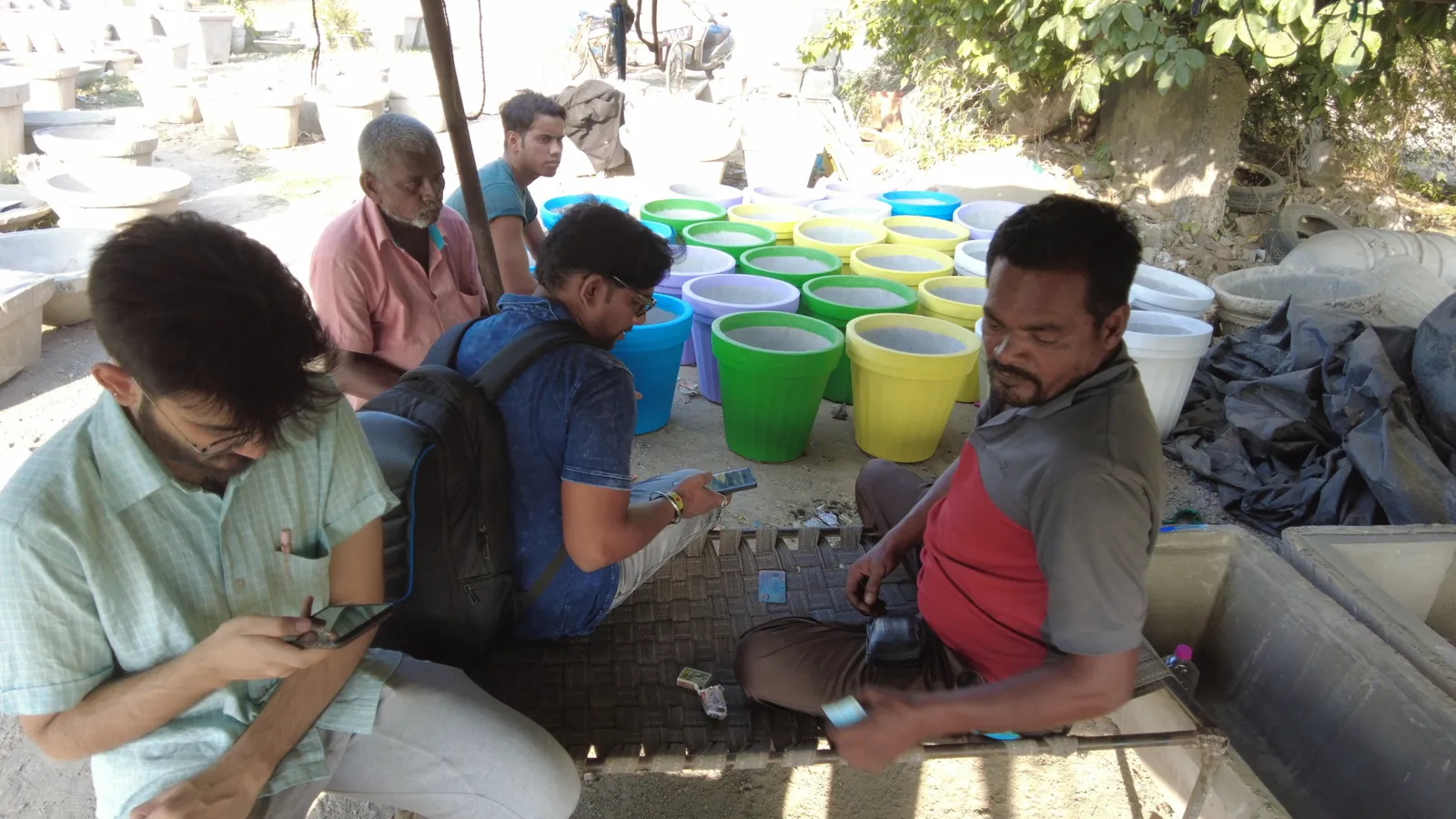
Two of us talking to plant pot makers among rows of cement pots
Our labelled bags of sand samples beside a paver block

What we learned first

  1. Not all sand is useful. Desert sand is too smooth to hold cement together.

  2. Permits are slow and confusing, so many mine and sell informally.

  3. “Royalty” came up again and again, from truck drivers and vendors.

The mining offices

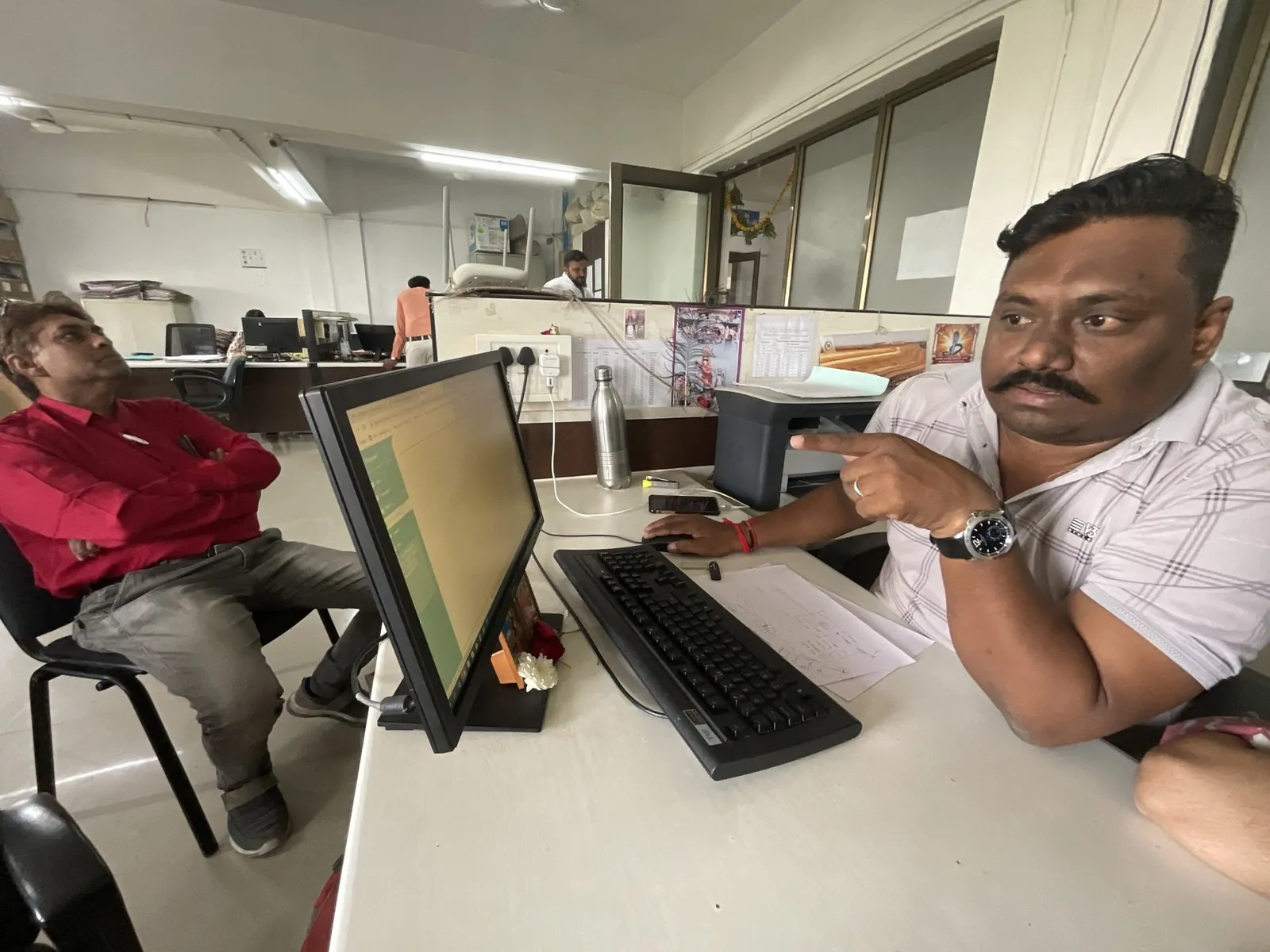
Our faculty Naim Shaikh connected us to the Commissioner of Geology and Mining. There and at the DMF office, officials showed us e-auctions, royalty slips, delivery challans and GPS tracking of trucks.
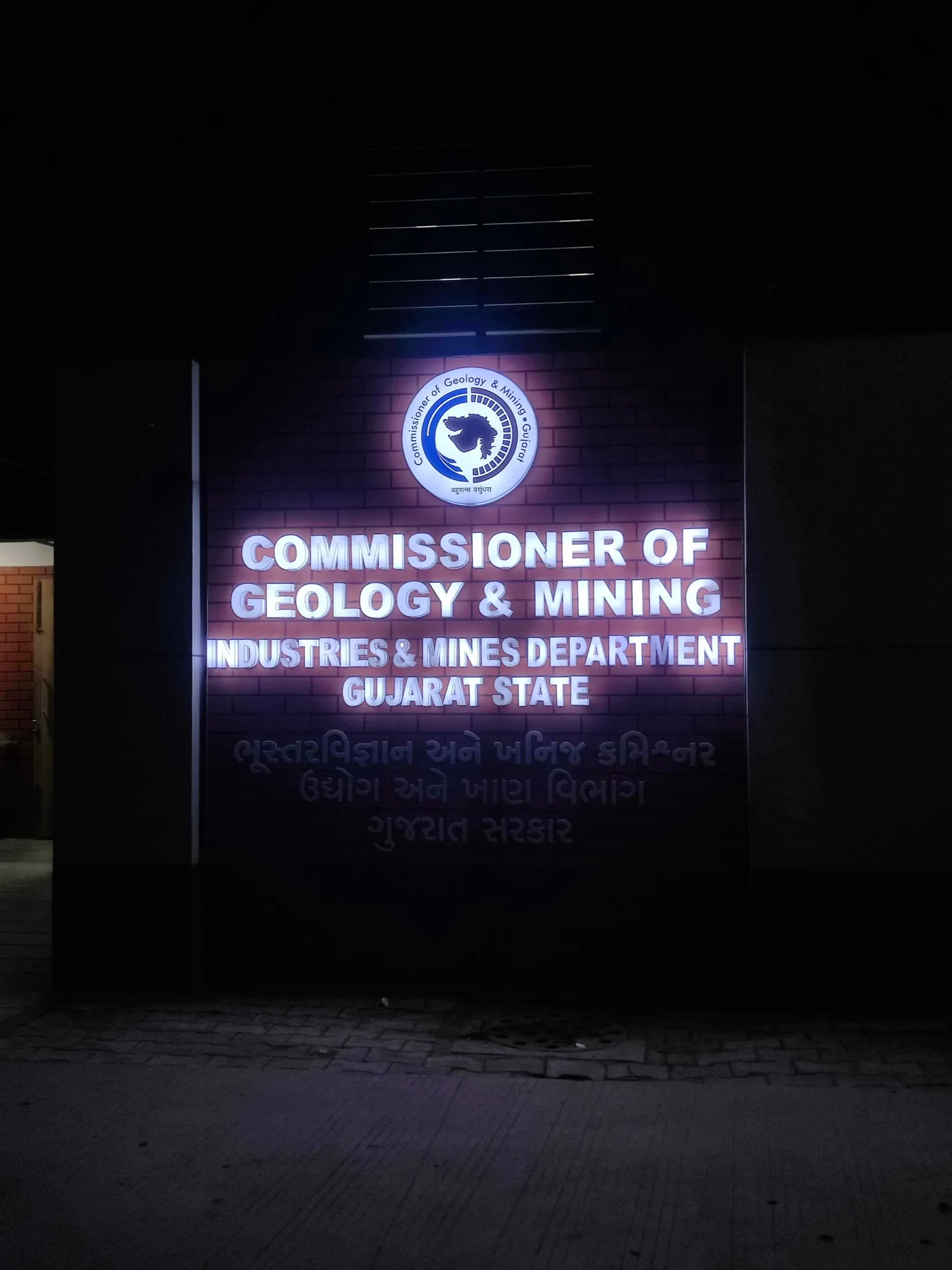
The lit sign of the Commissioner of Geology and Mining office, Gujarat, at night
An official at the DMF office showing us the mining portal on his computer
Two of us photographing a poster of the district’s mining fund at the DMF office

A regulated mine

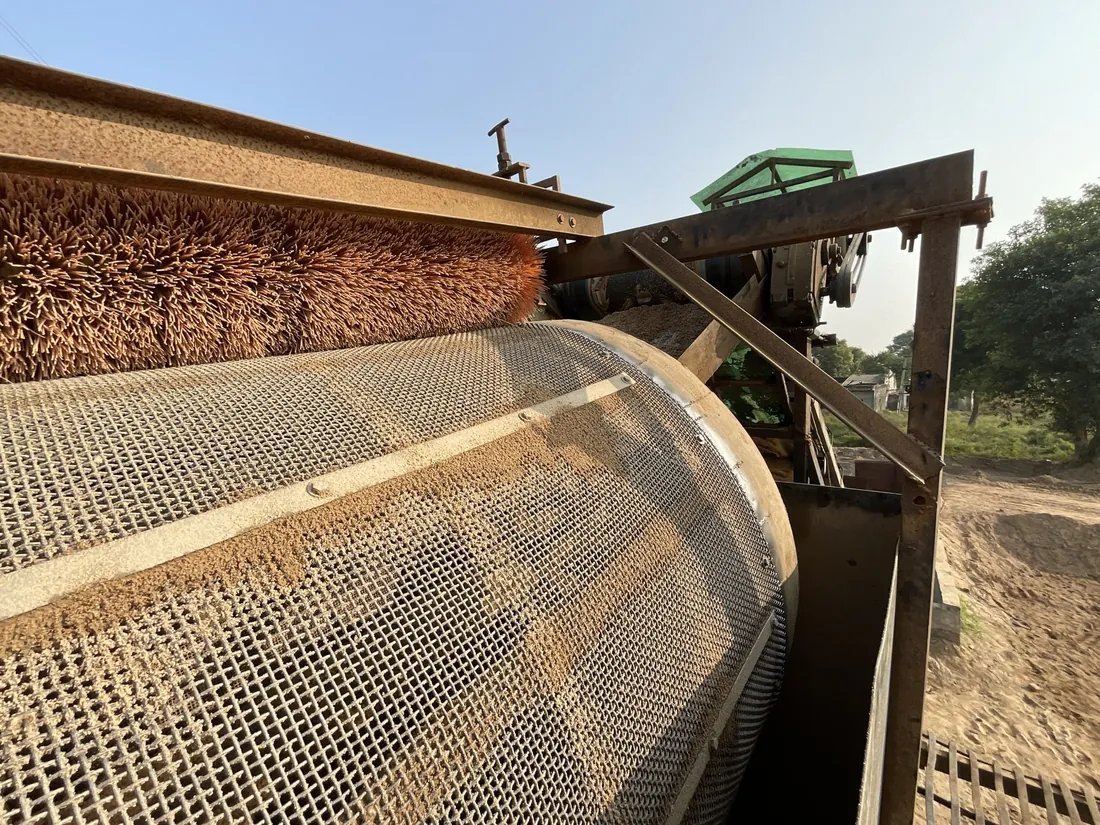
The DMF office arranged a visit to a mine and stockyard in Gandhinagar. Sand was dug by excavators, washed, sieved and graded, then sent out by truck with a delivery challan.
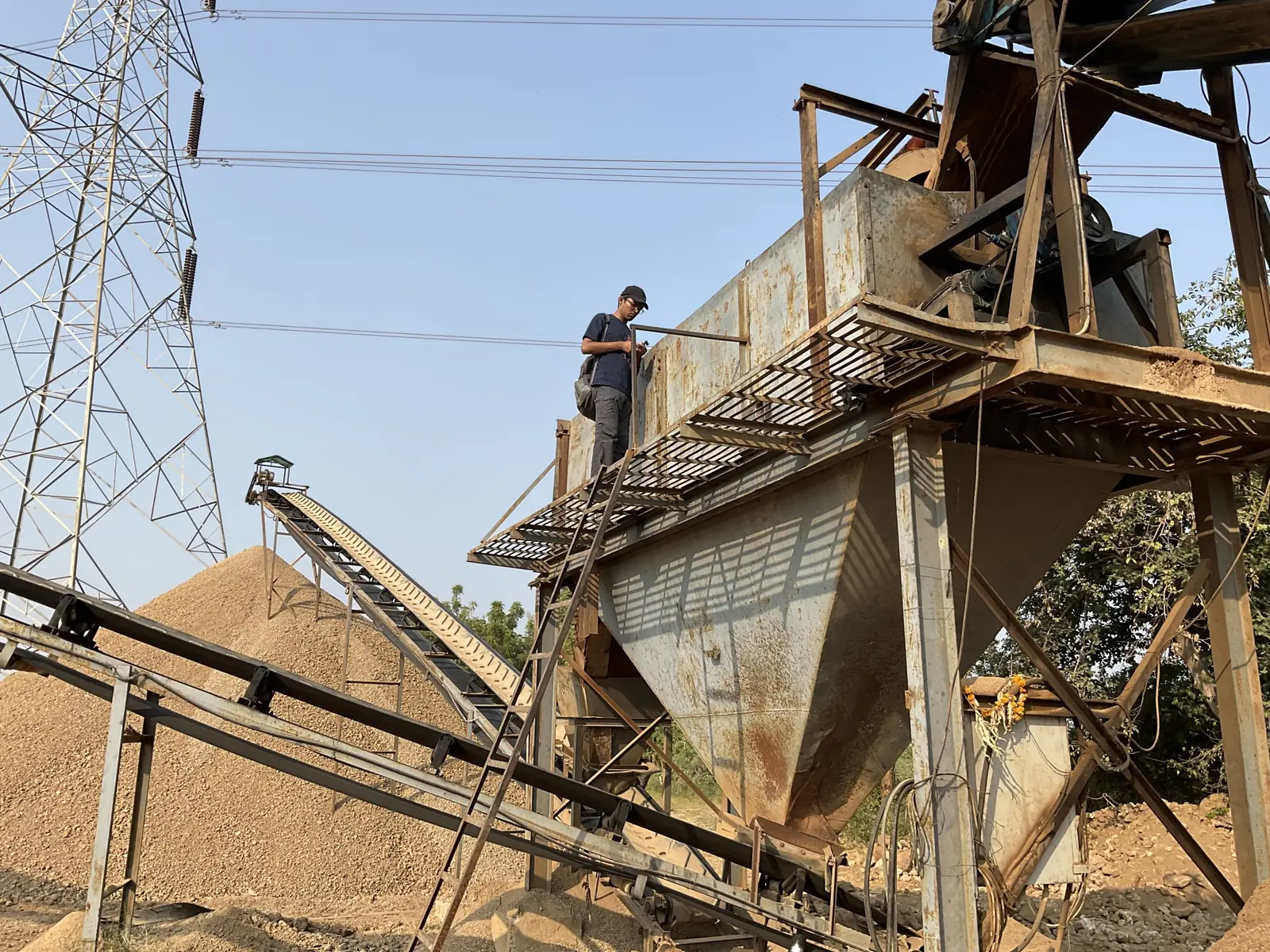
A worker on top of the rusted washing and sieving tower at the stockyard
The rotating mesh drum that grades the sand
The stockyard pit and conveyor, with our shadows in the foreground

An open pit near Bakrol

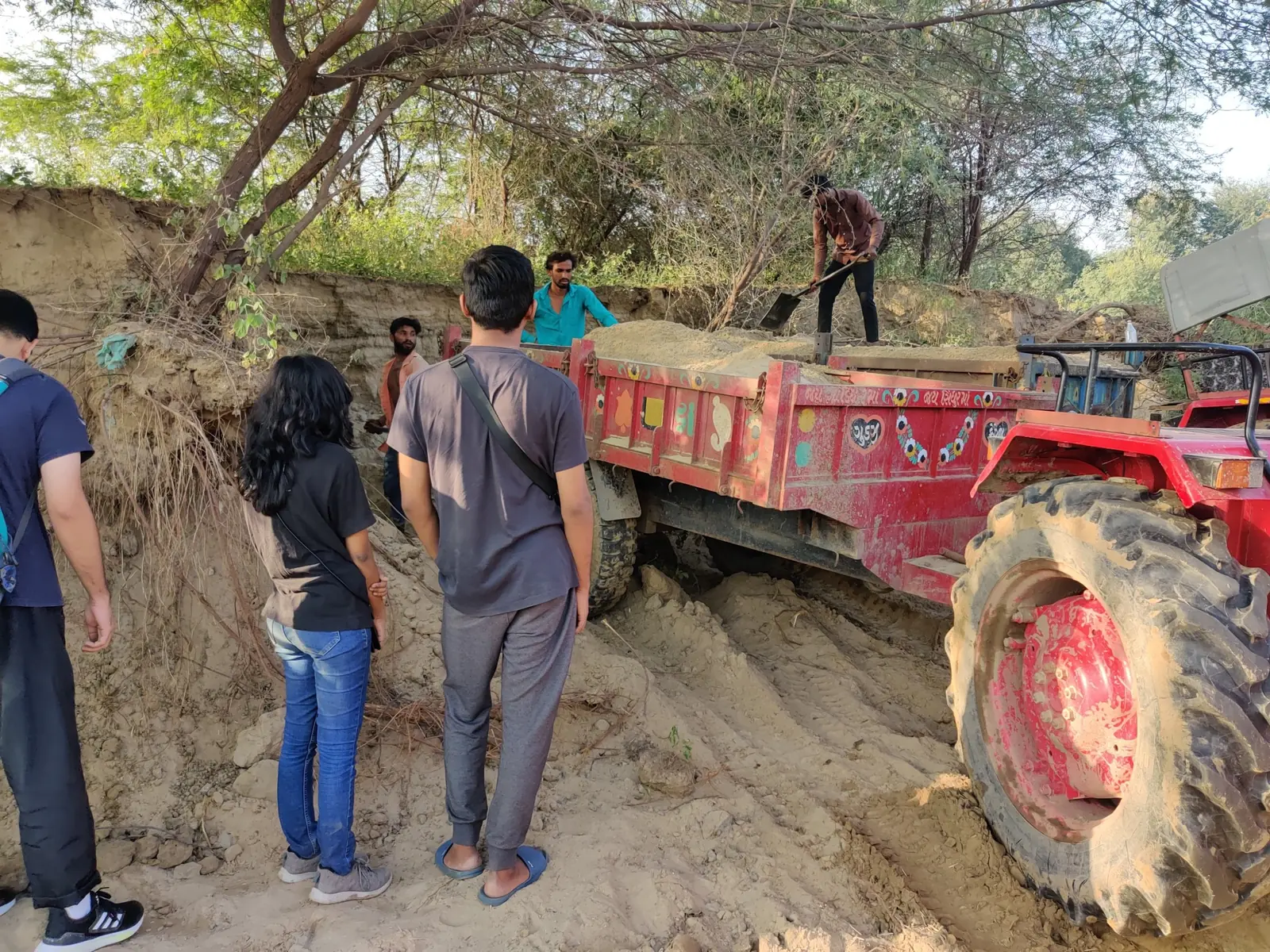
Yatin and Varun had met tractor drivers who mine the Sabarmati near Bakrol, so we went without any officials. A driver must sell his three tonnes within three hours of paying a ₹500 royalty. After that, he can unload it anywhere.
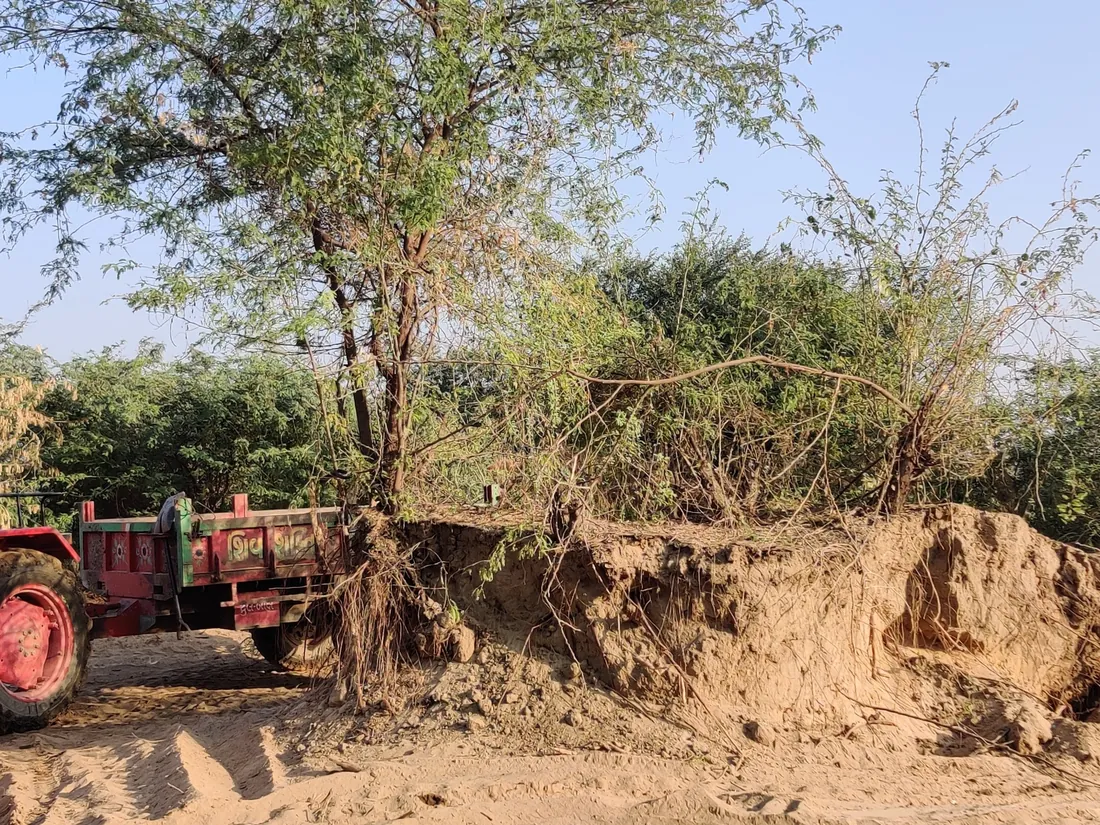
Tree roots exposed on a high bank of the dried riverbed, a tractor beside it
Three of us watching a man shovel sand into a red tractor trolley
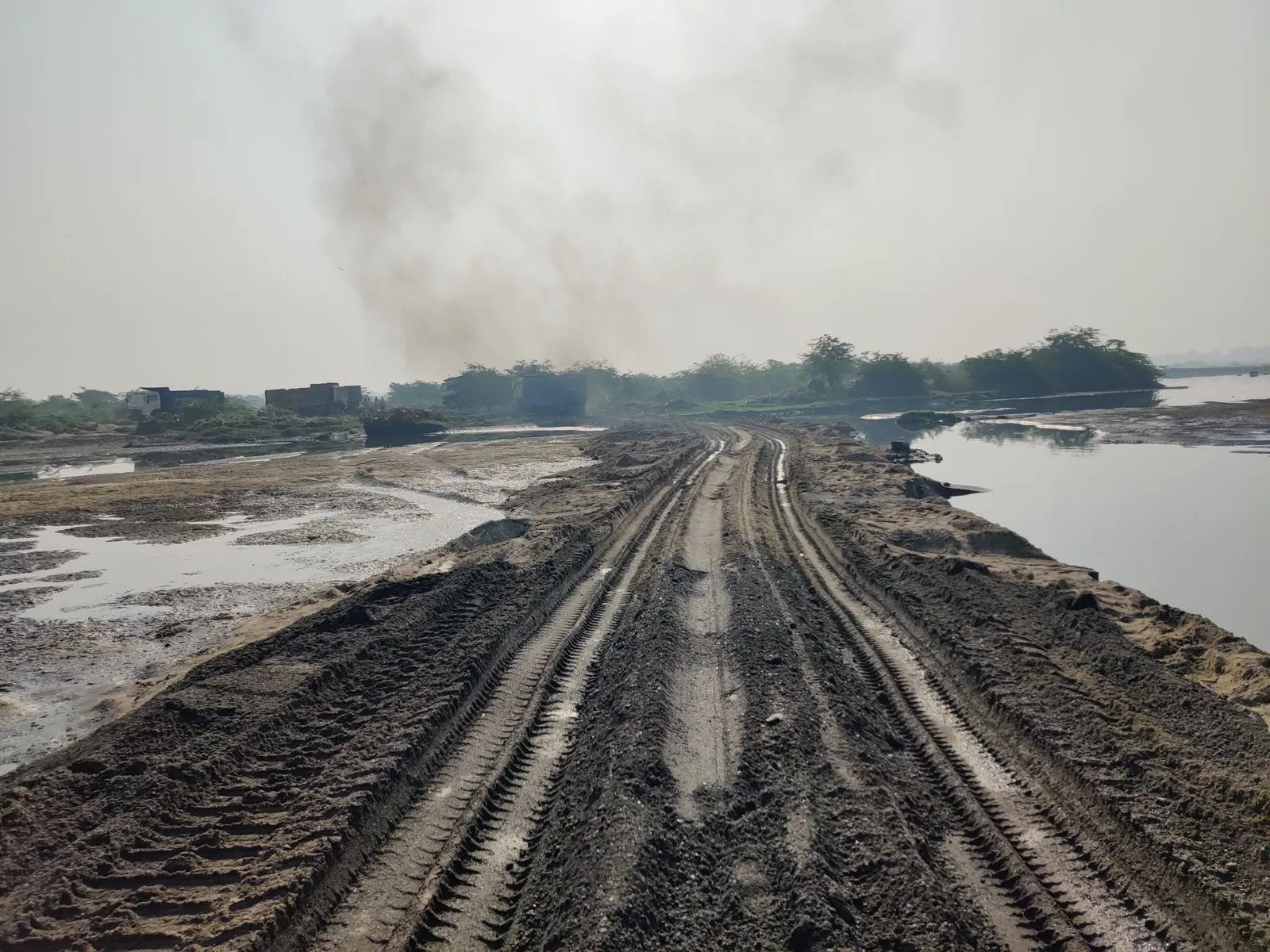
A black sand track between pools of polluted water, smoke behind

So much sand had been dug out that the roots of trees, once under it, were showing.

Framing objectives

We turned what we found into How Might We questions, grouped under awareness, assessment, sustainability, alternatives, systemic issues, environment and speculative futures.

  1. How might we demystify what sand is and where it’s used?

  2. How might we stop illegal sand mining effectively?

  3. What will happen in the future when there is no usable sand left?

How Might We

Awareness

How might we make people aware of depleting resources like sand?

How might we demystify what sand is and where it’s used?

How might we improve the current education system with respect to sand as a resource?

How might we make people aware of lesser-known alternatives to sand?

Assessment

How might we enable easy, qualitative assessment of sand for different uses?

How might we encourage people to view land not just as property, but as part of an ecological system?

How might we address overmining, especially where mining has reached degraded sources like sewage beds?

Sustainability

How might we ensure sustainable consumption of sand?

How might we balance the use of natural resources without harming interconnected systems?

How might we reverse man-made erosion?

How might we increase the natural replenishment of sand?

How might we respond to the construction industry’s dependence on sand?

How might we extend the lifetime of buildings to reduce frequent material demand?

Alternatives and methods

How might we reduce the use of sand in critical processes?

How might we acquire sand differently, without direct mining?

How might we reuse or revalue sand, soil or mud that is currently considered waste?

How might we modify cement so it can bind with other materials like silt or gravel?

Systemic issues

How might we stop illegal sand mining effectively?

How might we digitise and streamline the process of acquiring sand legally?

How might we improve the working conditions of miners?

How might we increase the efficiency of sand transportation?

How might we address the social and economic conditions that lead to sand mafias?

How might we create a system that rewards need-based consumption rather than over-consumption?

Environment

How might we better understand and address the ecological imbalance caused by sand mining?

How might we mitigate the consequences of river mining on aquatic ecosystems?

How might we assess the long-term environmental damage of sand over-extraction?

Speculative futures

What will happen in the future when there is no usable sand left?

The Miro board

Our Miro board of How Might We questions in eight columns

Diverse perspectives

We kept reaching out across industries, to test our early assumptions at both the micro and the macro level.

The authorities

The head geologist at the Commissioner of Geology and Mining, and a royalty inspector at the DMF office.

“If the delivery challan seems suspicious, then the truckers can get into serious trouble.”
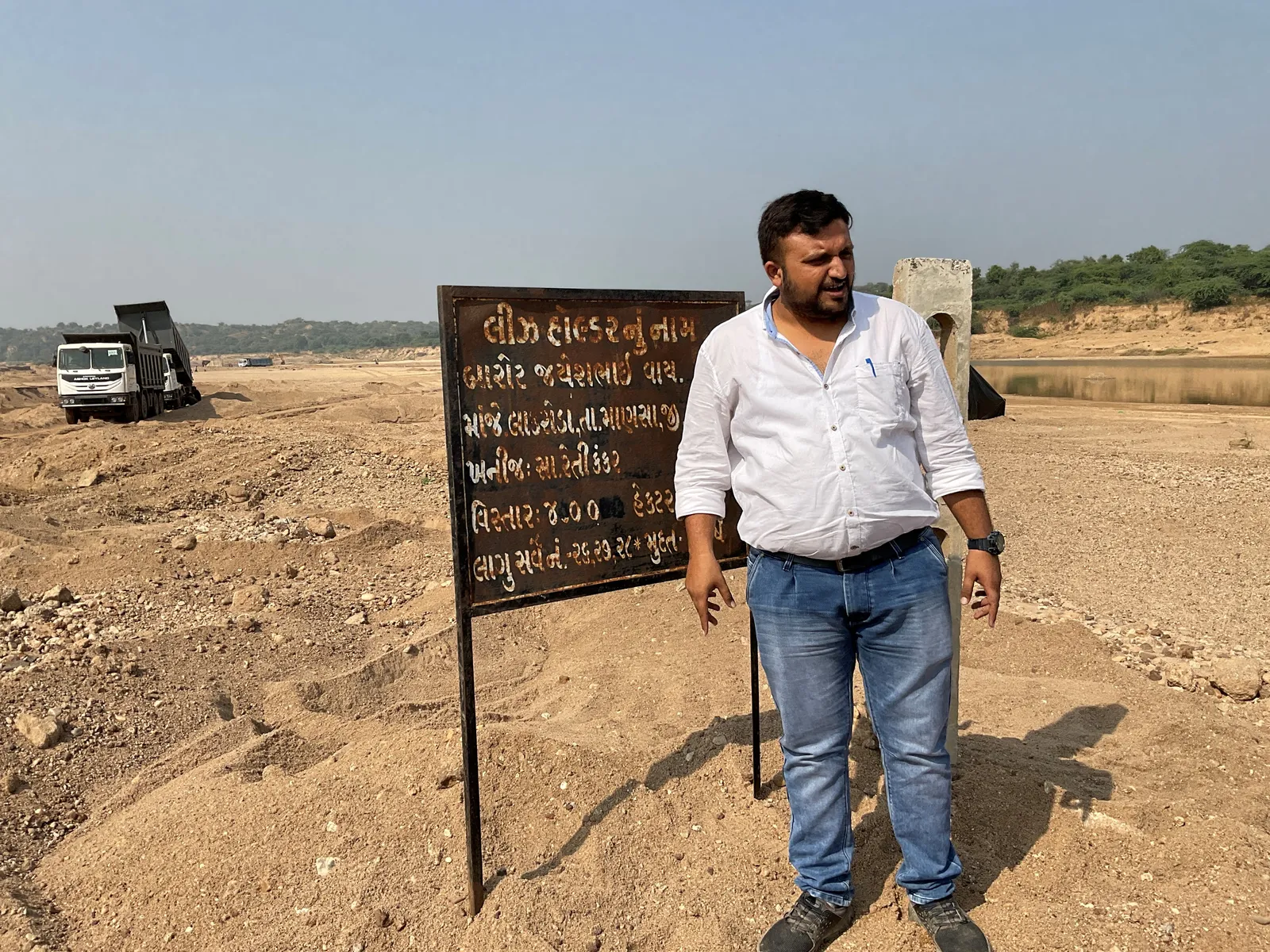
An official beside a lease holder’s board on the riverbed at the Gandhinagar mine, a dumper truck behind

Miners

Tractor drivers who dig by hand, and truckers hired by private companies, on the Sabarmati.

“No one really cares what happens to it, even if they unload it at their homes, unless they get caught by police on a raid.”
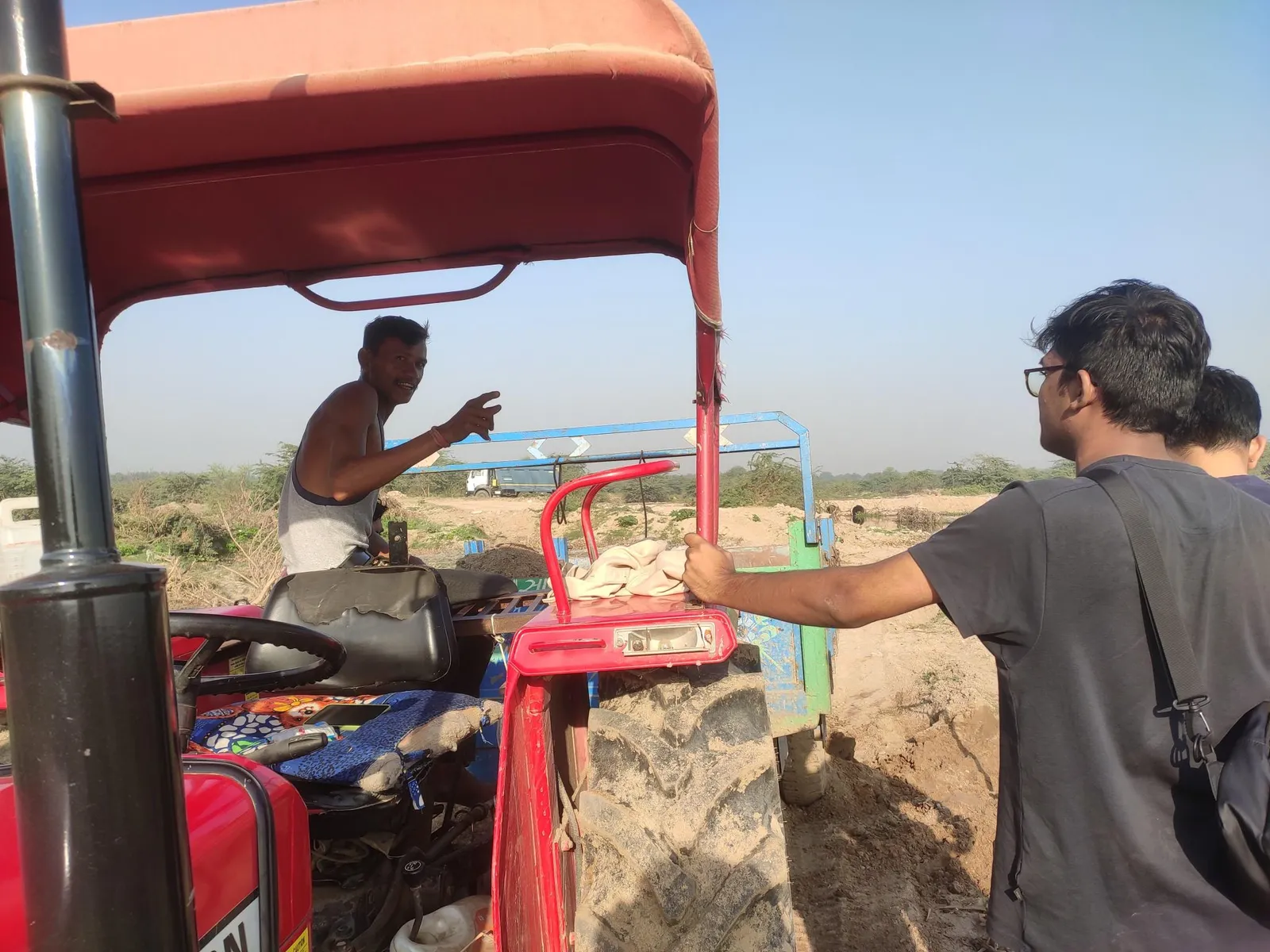
One of us talking to a tractor driver in his seat at an open pit near Bakrol

Shops and suppliers

Vastu Traders, a sand supply shop, a rangoli colour seller, a plant pot maker and the founder of Narmada Sands.

“Illegal mining also happens because people have no incentive to use the sand that comes with a certificate.”
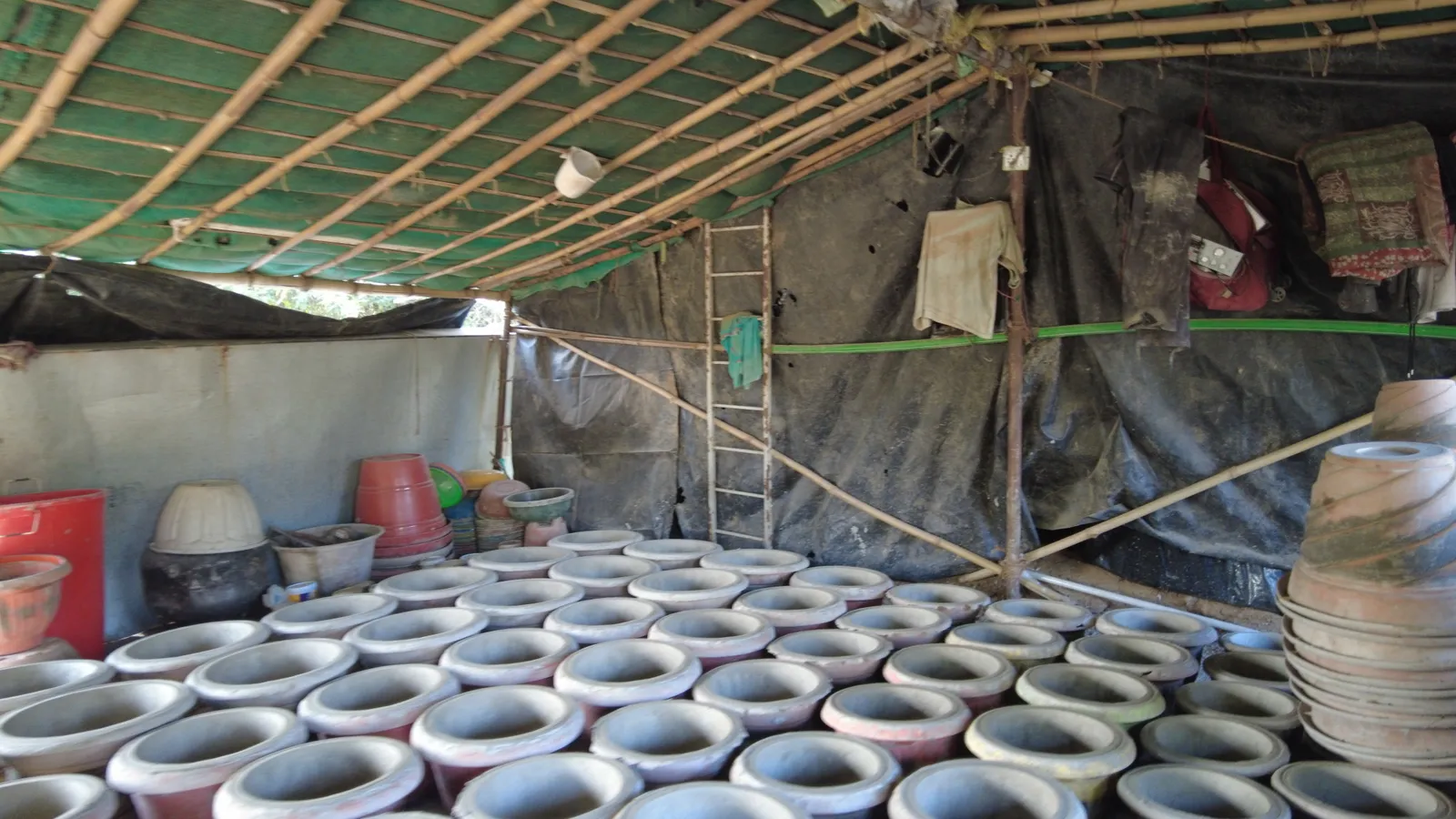
Rows of sand and cement plant pots under a tarpaulin at a pot maker’s yard

Environment

Dr. Mansee Bal Bhargava, environmental conservationist and President of the WICCI Water Resources Council.

“We cannot live without water and water cannot live without sand.”
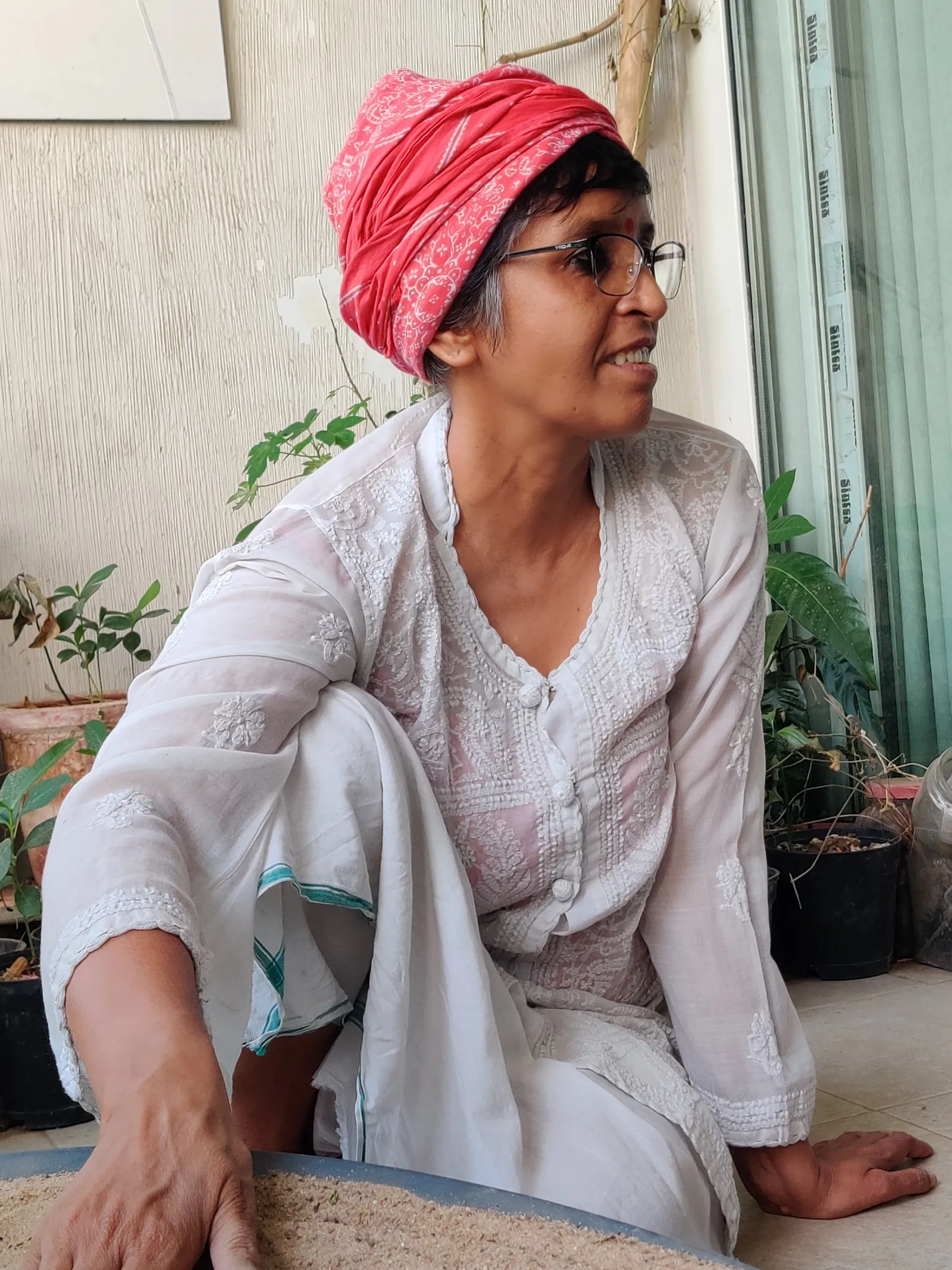
Dr. Mansee Bal Bhargava talking to us, sitting on the floor

Ceramics industry

Swagata Naidu, ceramics and glass faculty at NID, and Shashank Nimkar, founder of Earth Tatva.

“Ceramics upon firing become much like rocks … They can’t be recycled or degenerated, they can only be repurposed.”
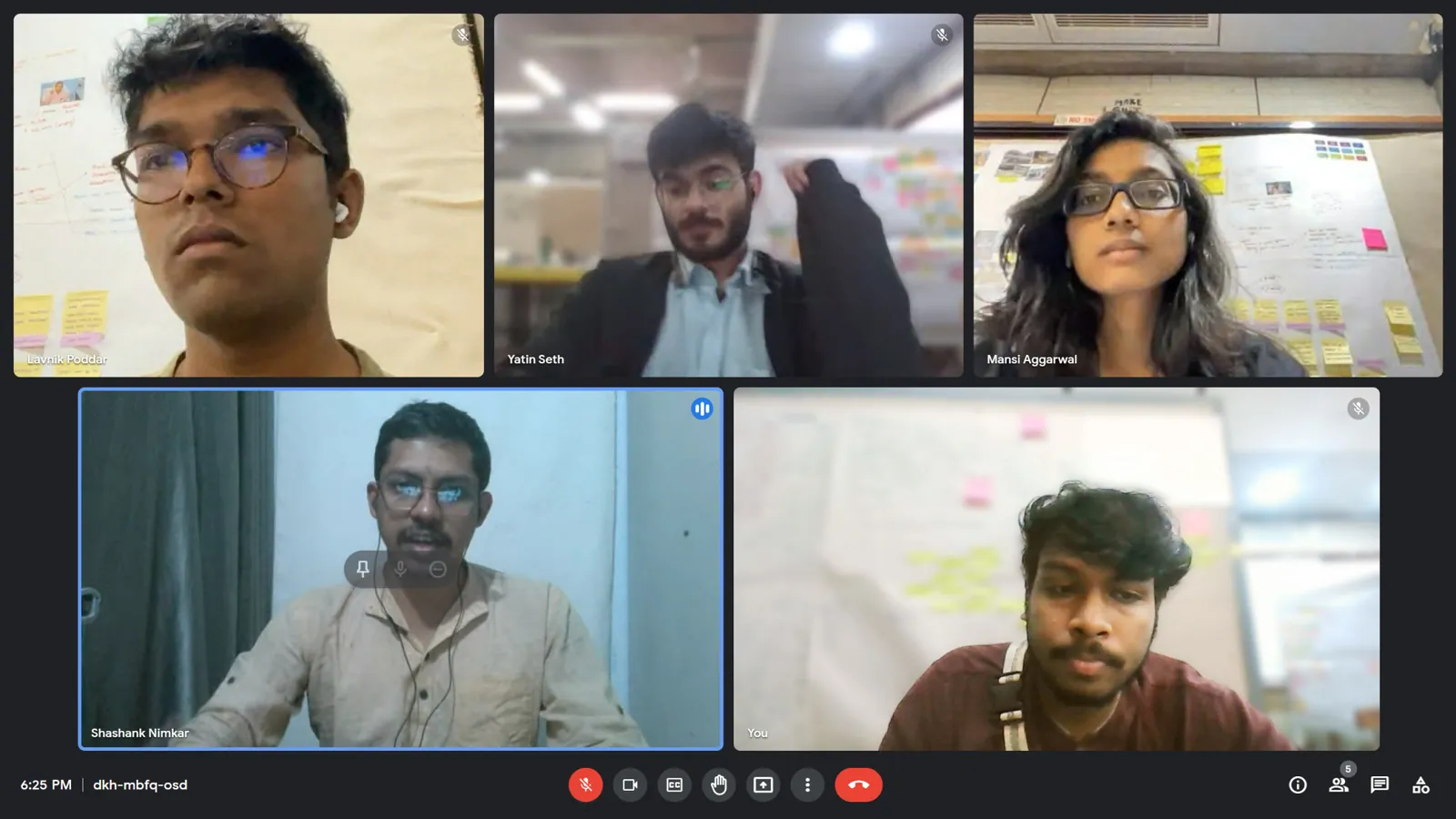
A video call: the four of us and Shashank Nimkar, sticky notes on the wall behind

Construction

An architect, two civil engineers and a construction technology professor at CEPT.

“Illegal miners sell sand at a lower cost since their input cost is also low. Some suppliers may sell both legal and illegal sand.”

Large-scale projects

A vice president at Continuum Energy, the architect of a dam in Kullu, and an officer at the Dredging Corporation of India.

“At first, two different sources are identified … as a backup plan in case sand faces shortage.”

Alternate construction

Dr. Shailesh Kr. Agrawal, Executive Director of the Building Materials and Technology Promotion Council.

“There are plenty of innovations in BMTPC everyday but the industry or the market does not accept it very easily.”
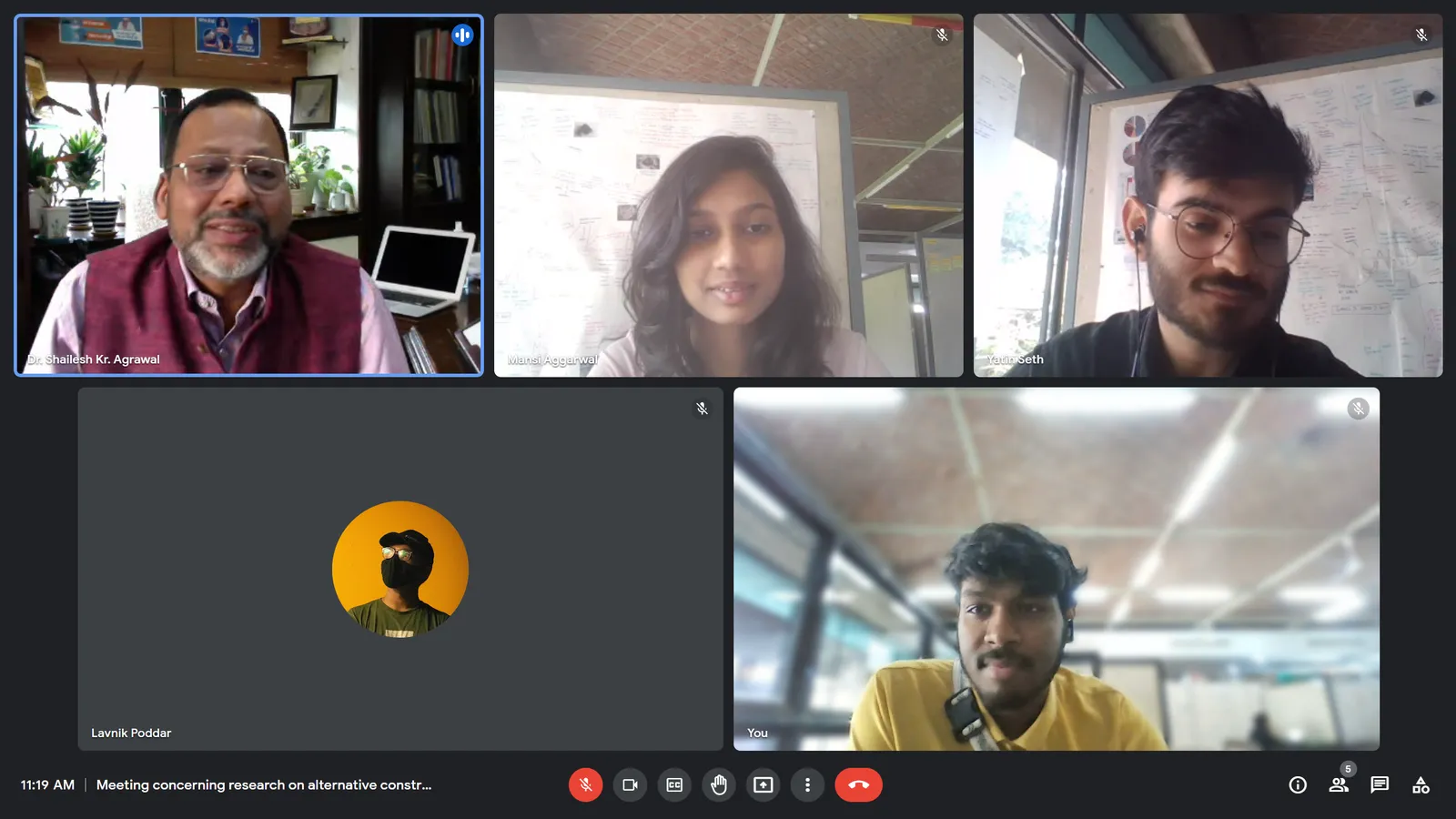
A video call with Dr. Shailesh Kr. Agrawal and the four of us

The offices told us the system was “well-defined and regulated”. The miners, sellers and builders told us where it wasn’t.

Interviews

The authorities

Pratik Shah

Head geologist, Commissioner of Geology and Mining, Gujarat

Walked us through who governs sand, from the central ministries down to the state’s exploration, administration and enforcement.

Kaushal

Royalty inspector, DMF office, Gandhinagar

Explained royalty slips in three copies, weighbridges, delivery challans and raids on illegal loads.

Miners

Tractor drivers

Self-employed

Two or three rounds a day of three hours each, on a ₹500 royalty for three tonnes of sand.

Truckers

Hired by private companies

About 40 tonnes a truck on an ₹800 royalty slip. Black sand from sewage water is dried in warehouses before it sells.

Shops and suppliers

Vastu Traders

Sand shop, Ahmedabad

Sand from the Patan river, sold by the bag, tractor or dumper. They don’t count M-sand as sand: “it’s just stone powder”.

A sand supply shop

Visalpur

Three river sands in Ahmedabad, Patan, Limbdi and Sabarmati. Sabarmati sand is ₹650 a ton, ₹700 in the monsoon.

A rangoli colour seller

Visalpur

Rangoli colours are made by crushing huge rocks and mixing them with chemicals.

A plant pot maker

Visalpur

About 70 pots a day, sand and cement in equal parts.

Narmada Sands

The founder, at the head office in Paldi

They wash and grade sand at the mine and drop the impurities back into the river. “What is impurity for us, is an important part of the river ecosystem.”

Environment

Dr. Mansee Bal Bhargava

Environmental conservationist

“We cannot live without water and water cannot live without sand.”

Ceramics industry

Swagata Naidu

Ceramics and glass design faculty, NID

How weathering makes clay, silt and sand, and which of them each industry uses.

Shashank Nimkar

Founder and CEO, Earth Tatva

Recycling ceramic and glass waste to reduce the mining of natural resources.

Construction

Pankaj Bansal

Architect, large-scale projects

Where builders buy sand, fine and coarse sand, and why M-sand is met with doubt.

Vivek Sinha

Civil engineer, Continuum Energy

Black sewer sand for filling, river sand and M-sand for concrete, and why prices differ by region.

Bhargav Tewar

Construction technology faculty, CEPT

Sand in iron moulds, M-sand from quarries, and why construction waste behaves differently from river sand.

Ashish Garg

Civil engineer, Siemens

How the USA plans and imports resources compared with India.

Large-scale projects

Ravishankar Srinivasan

Vice President, Continuum Energy

Wind turbine sites plan two sand sources and two concrete mixes, in case sand runs short.

Pankaj Bansal

Architect of a dam in Kullu

Sand settles behind dams and has to be cleared, or the water keeps rising.

Sumanth Nuthigattu

Dredging Corporation of India

Dredging keeps ships’ channels open, and the sediment it removes.

Alternate construction

Dr. Shailesh Kr. Agrawal

Executive Director, BMTPC

“Desert sand is too fine and has no property of cohesion to it.”

Filling the gaps

With Praveen and Sahil’s guidance we split the open topics between us: embodied energy, alternative construction, C&D waste, M-sand, tech-grade quartz, cobalt in the Congo. Every evening we shared what we had found.
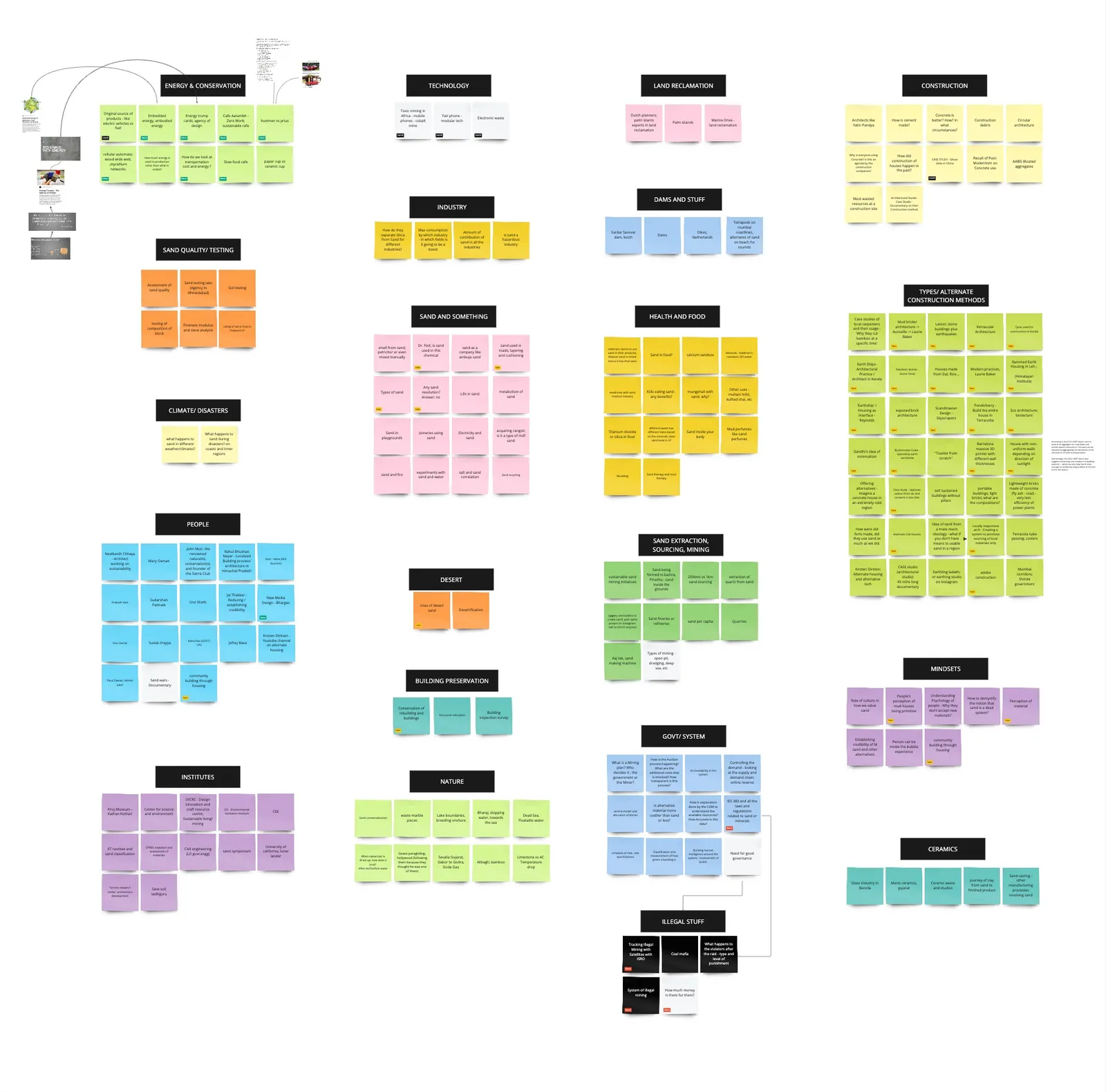
Our Miro board sorting the research topics into coloured groups
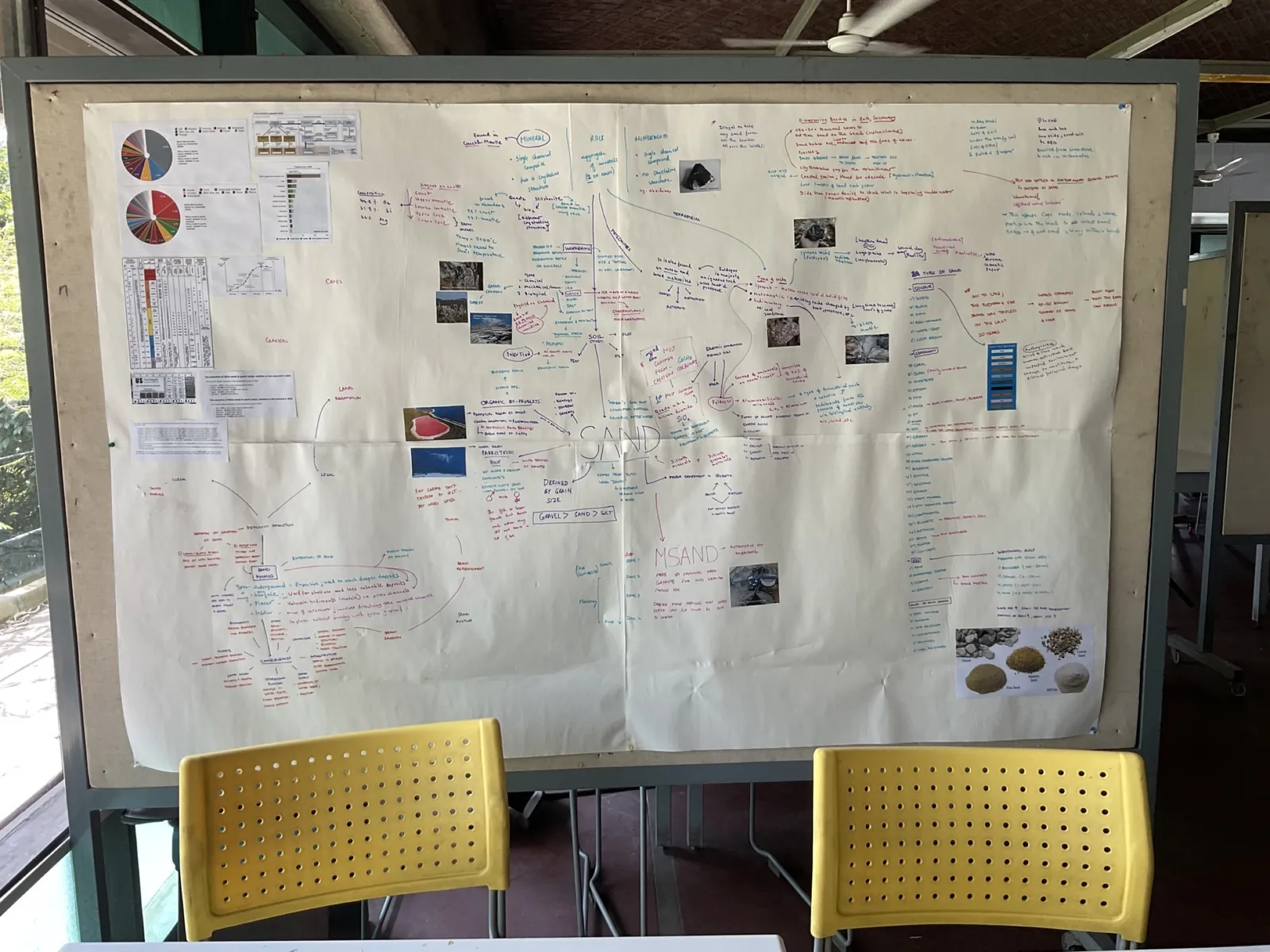
A paper research board with notes, charts and photos

The Gigamap

After weeks of field visits, interviews and deep-dives, our findings were sprawling. To make sense of it all, we made one systems map and drew it like a medieval card game: the sand system as a journey from the mountains to the market.

The whole Gigamap as one long strip: the introduction, the poem, the card decks, the main map, the inferences and the two sub-maps

Scroll sideways to read along the map

The Gigamap

The whole Gigamap at full size

Four parts, read in order

  1. Introduction

    The premise, and how to read the map.
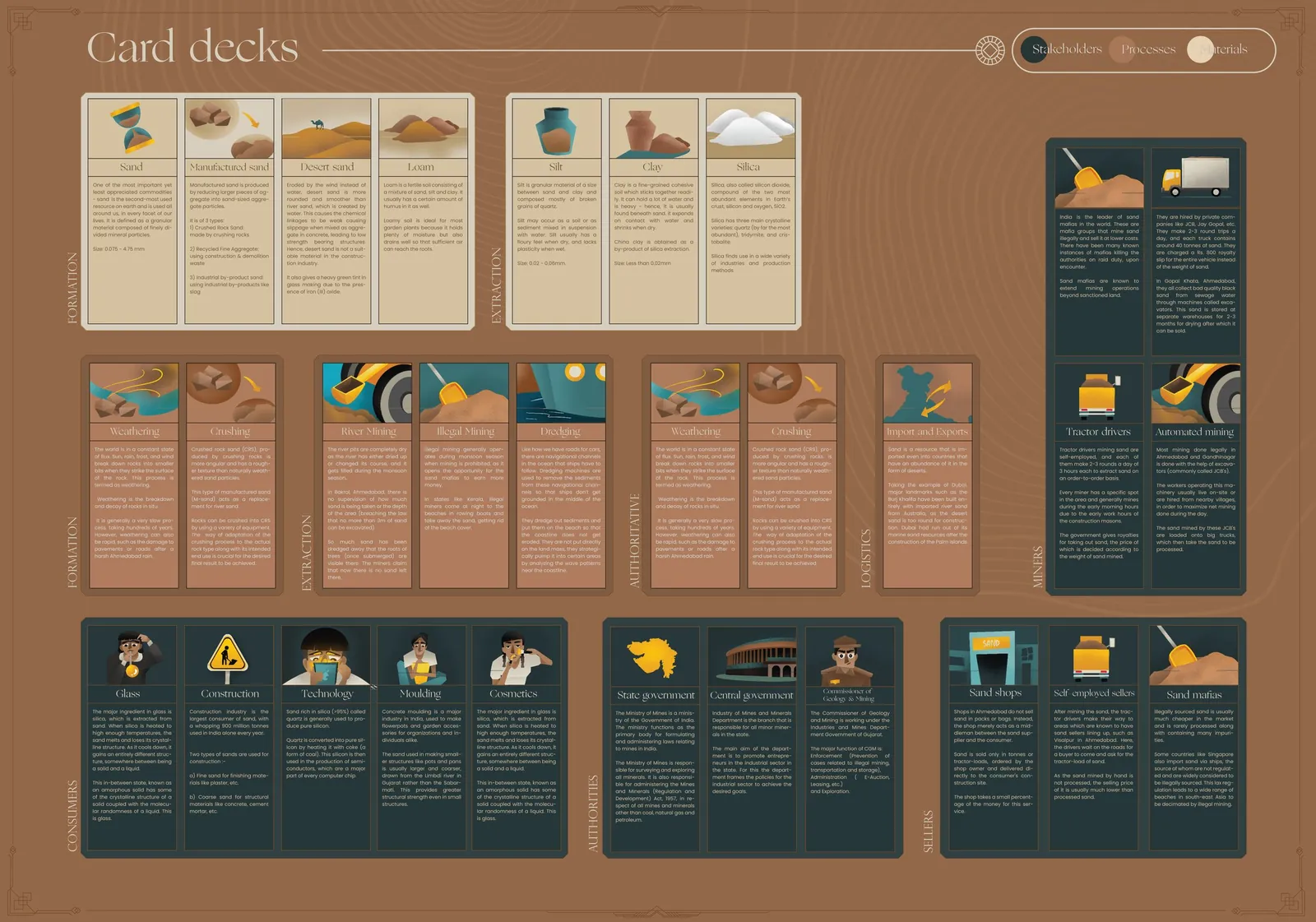
  2. Actor cards

    Blue for stakeholders, brown for processes, white for materials.
  3. Main map

    Sand in the order it happens, from the mountains to the market.
  4. Inferences and interventions

    What the map could not hold, and our proposals.
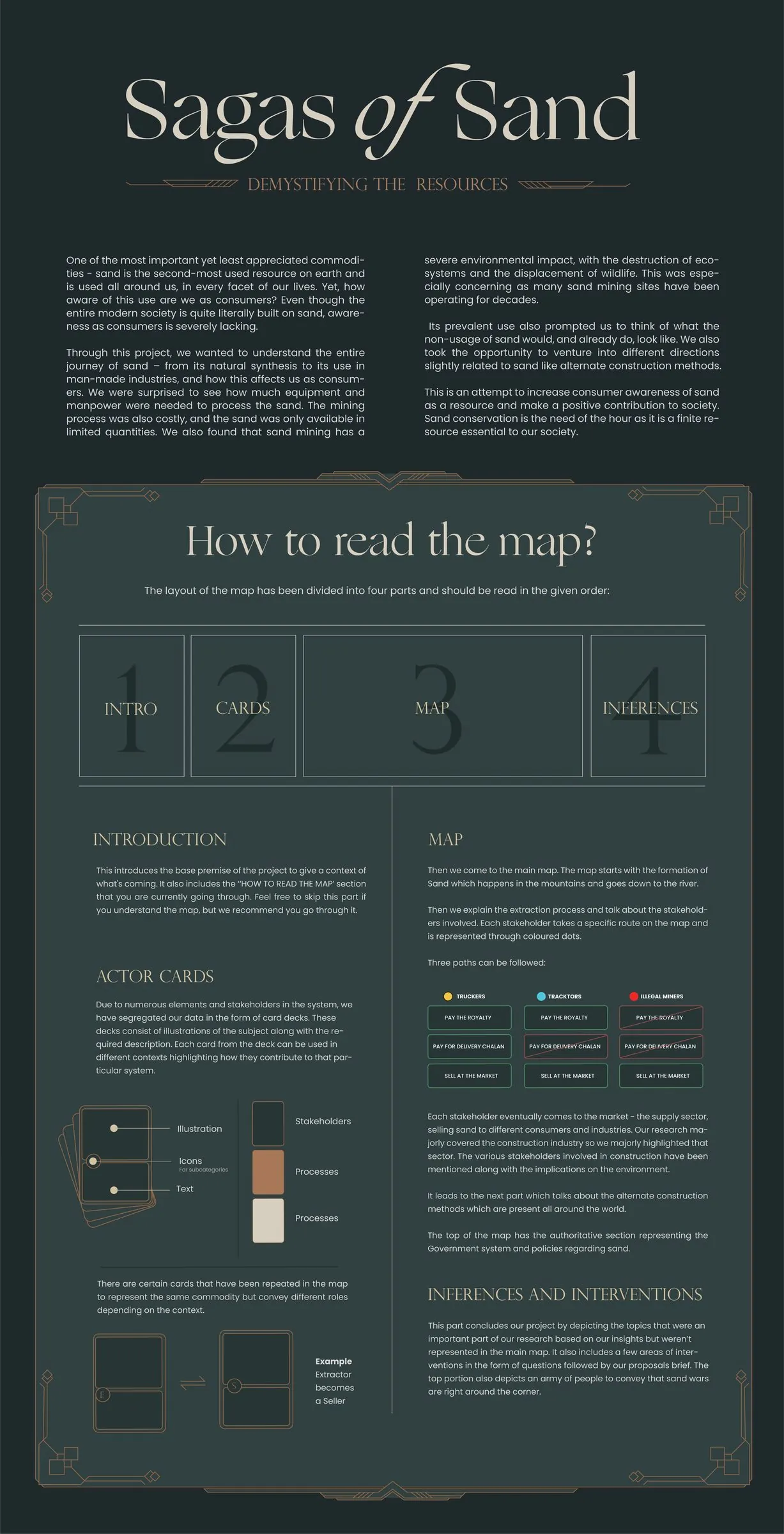
The introduction panel: the Sagas of Sand title and the how-to-read guide
The card decks: materials, processes and stakeholders
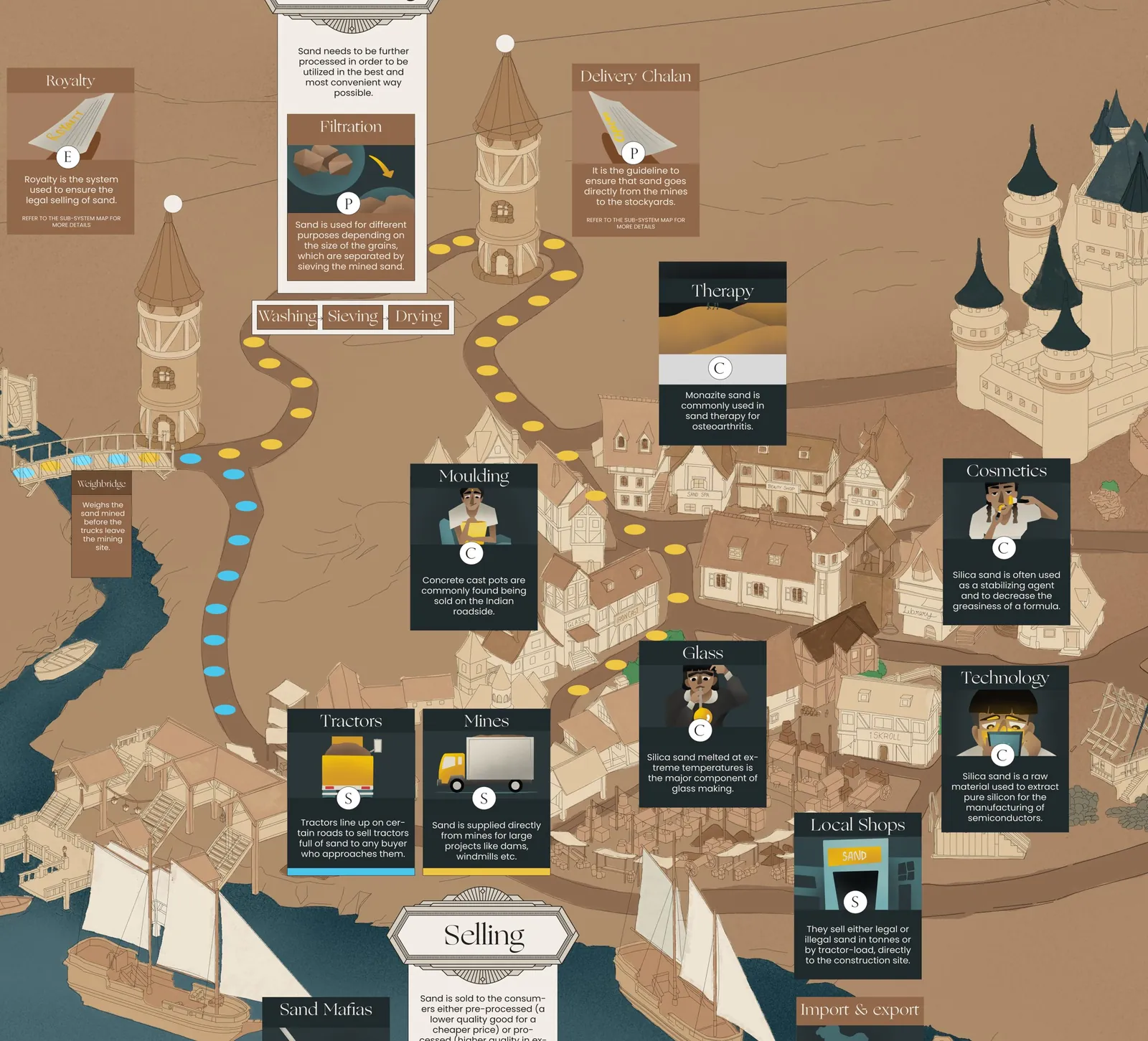
Close-up of the main map: royalty, filtration and delivery challan cards above the town, dotted routes winding past them to the market

Three routes to the market

Each seller follows its own route of coloured dots. The government sits at the top of the map.

  1. Truckers

    Pay royalty, give sand for processing, pay the delivery challan, go to the market.
  2. Tractors

    Pay royalty, skip processing, go to the market.
  3. Illegal mafias

    Skip royalty, go to the market.

Royalty and transport

The sub-map of the royalty slip, e-auction and delivery challan flow

How we made it

The board-game look was deliberate. It hints at the gamification of natural resources, where power, profit and access decide how the game is played.
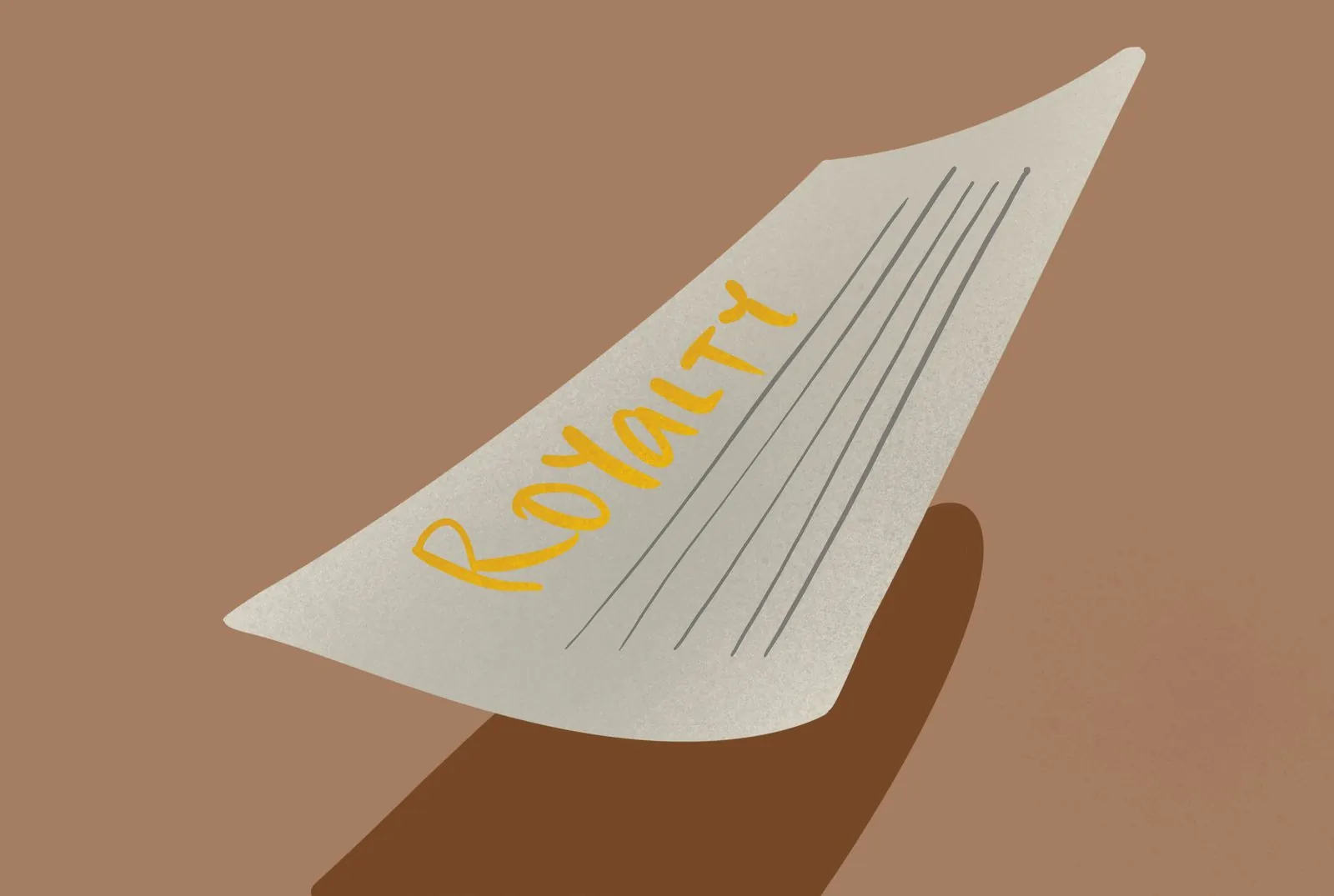
Card art: a hand holding a royalty slip
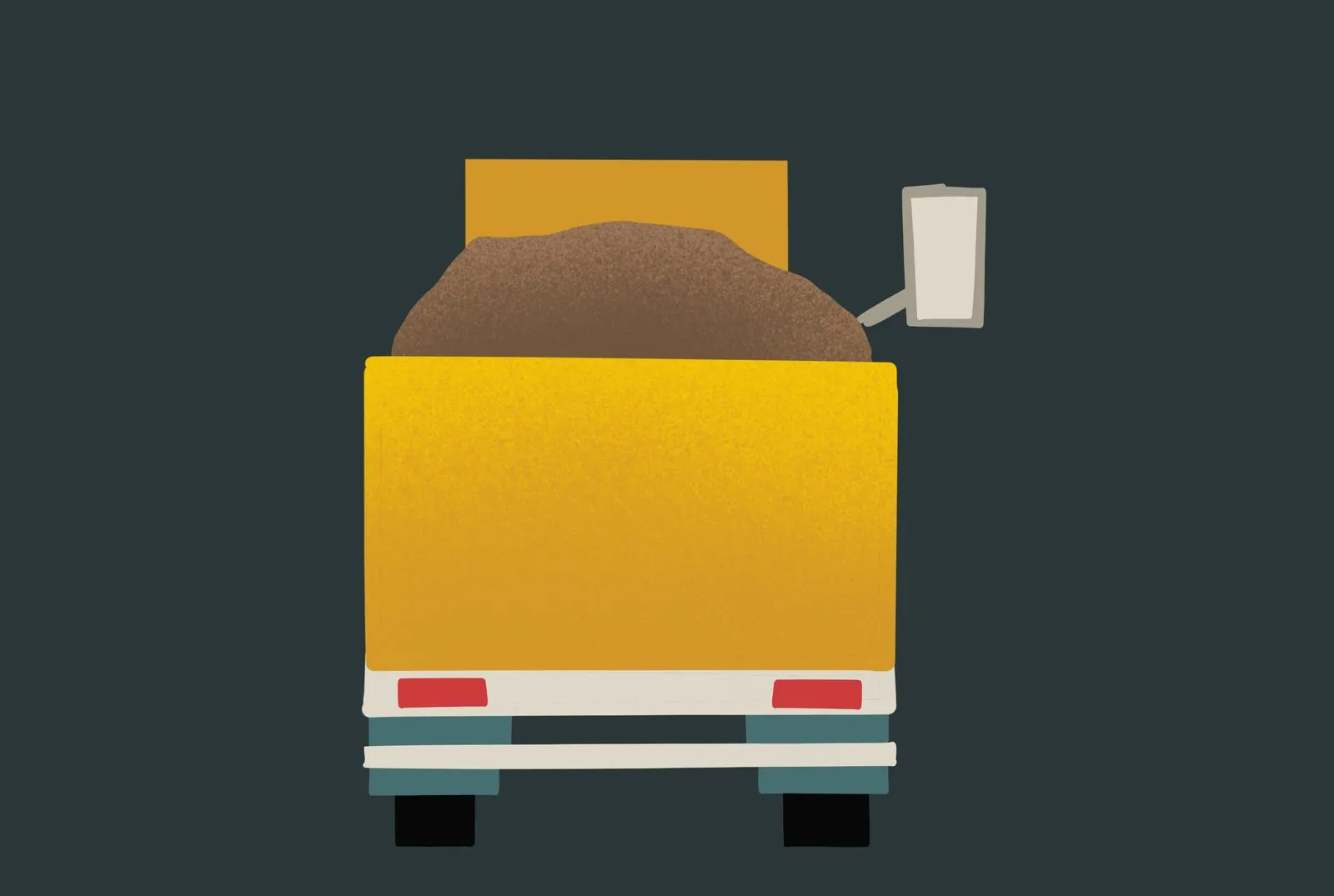
Card art: a yellow tractor trolley full of sand
Card art: a construction sign
  1. Terrain

    A terrain modelled in Blender and a town in Rhino, rendered as the base.
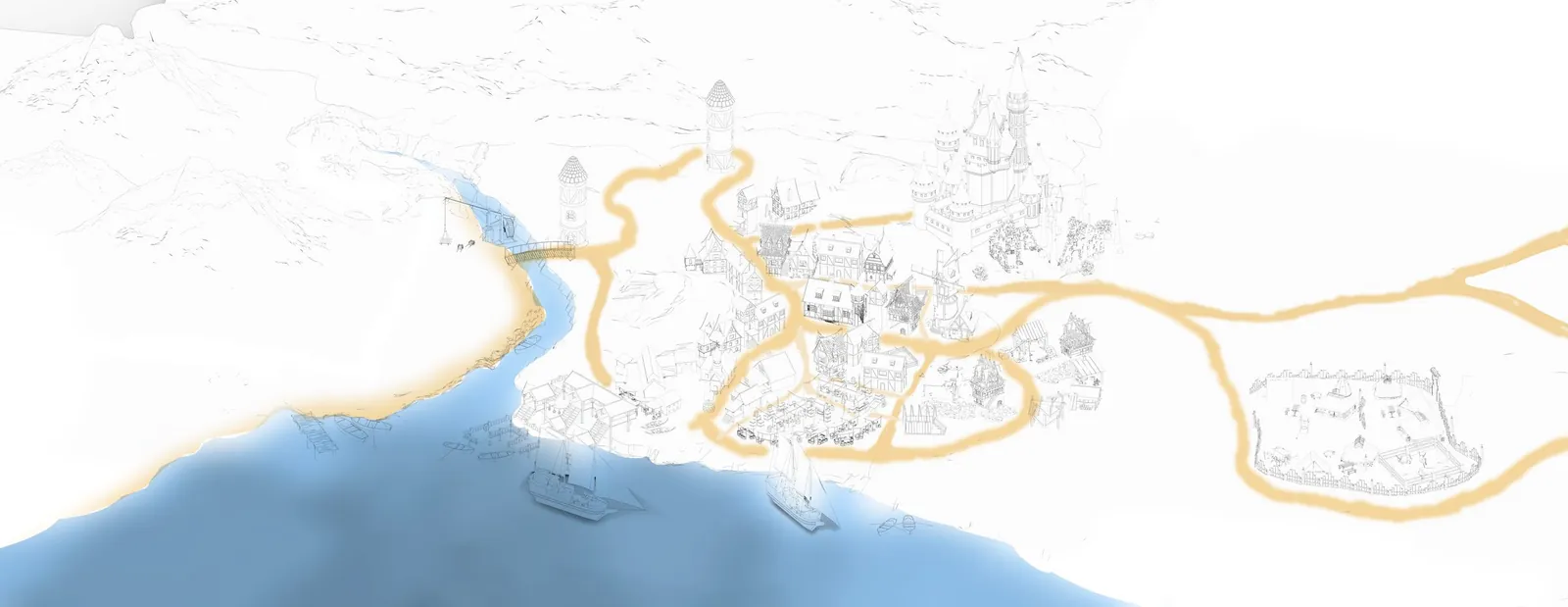
    The base render: coast, river and roads over a line-drawn town
  2. Painting

    Painted over the render: sea, riverbed, roads and the town.
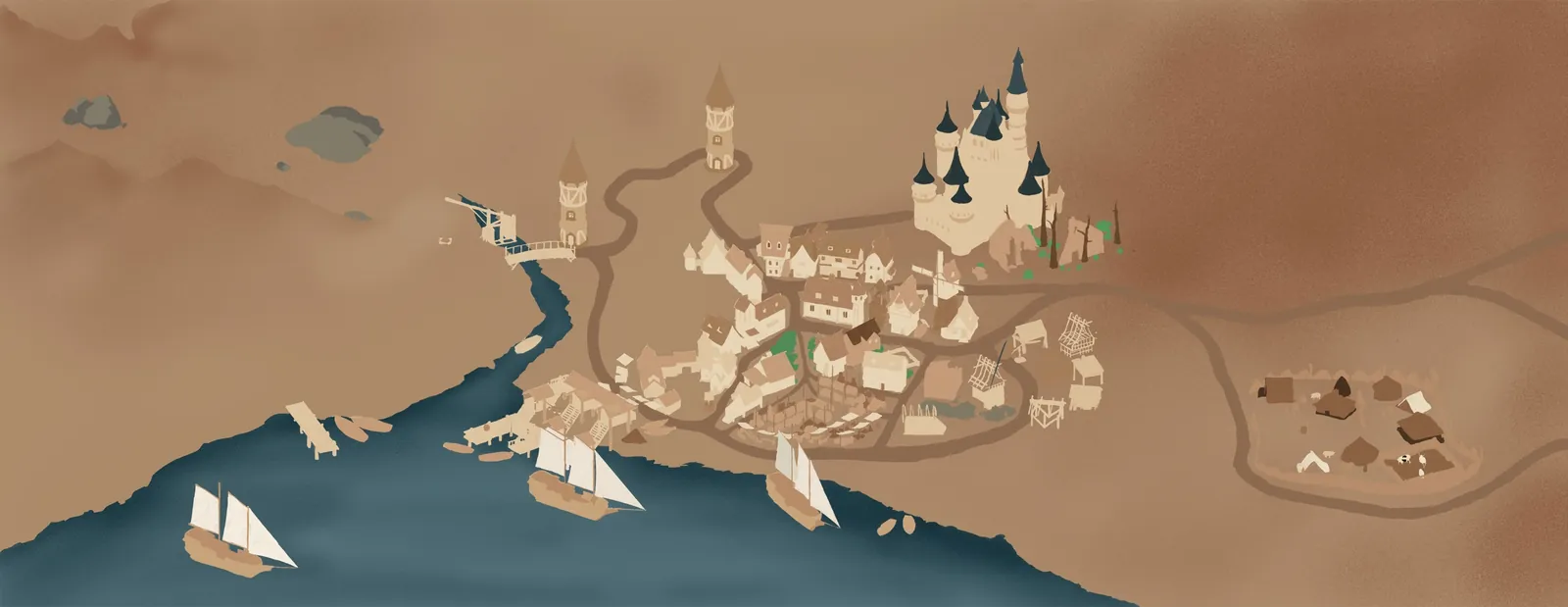
    The painted map before cards and labels
  3. Cards and routes

    The actor cards, labels and dotted routes laid on top.
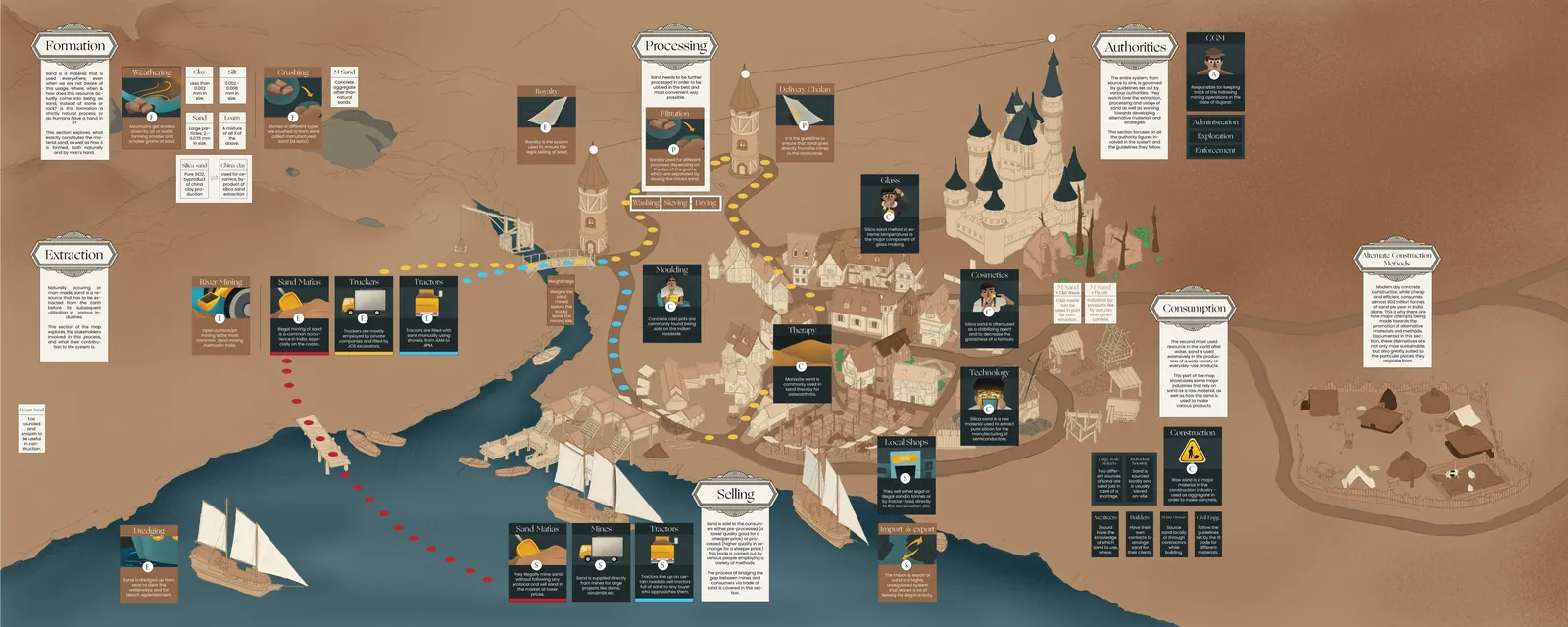
    The main map with cards, section labels and dotted routes

Figuring out solutions

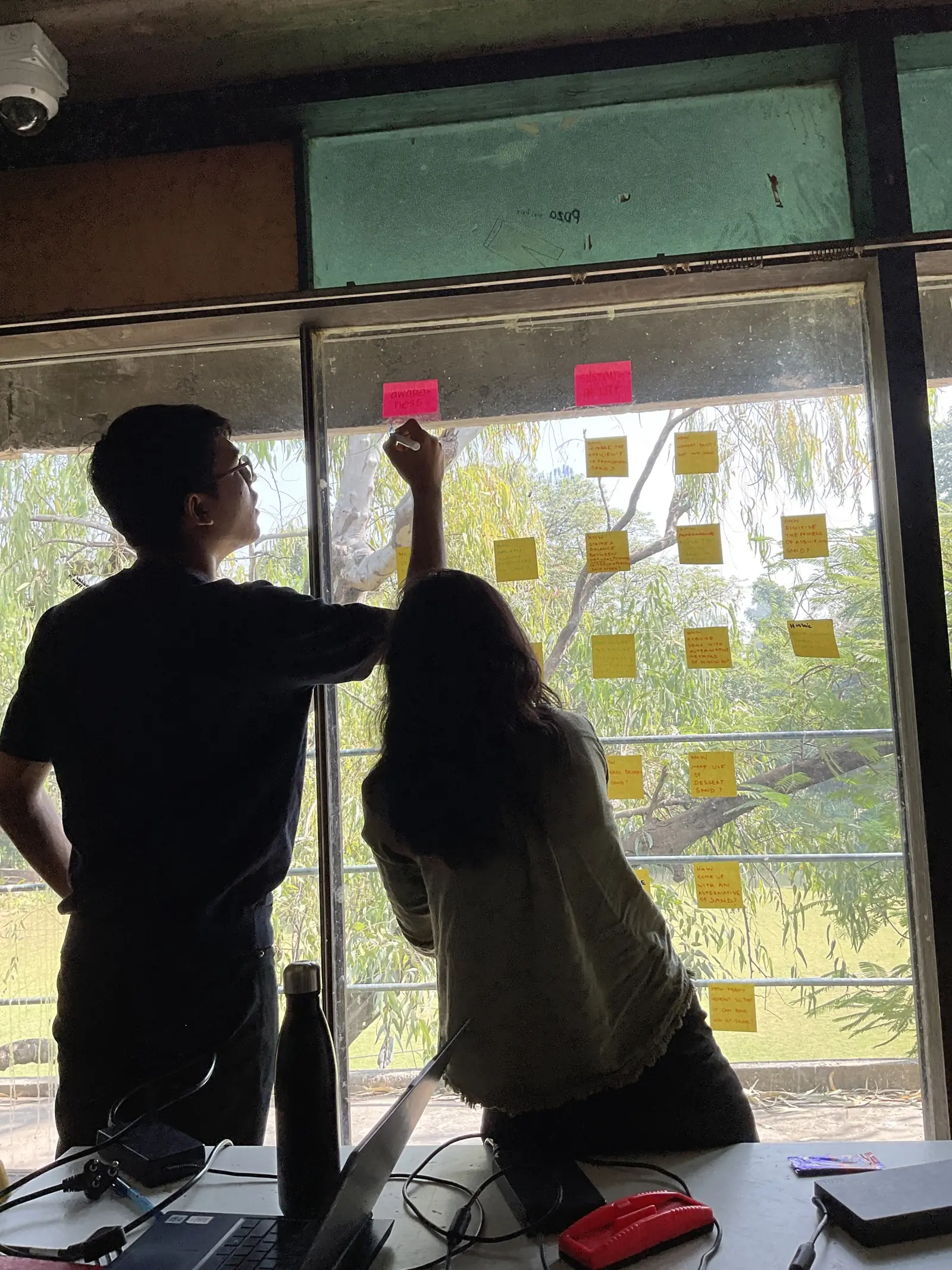
With research boards on every side, we ran time-bound ideation sessions, each followed by open discussion. We ended with over 60 concepts, plotted by impact against time to make, and grouped them as workshops, design proposals and policy.
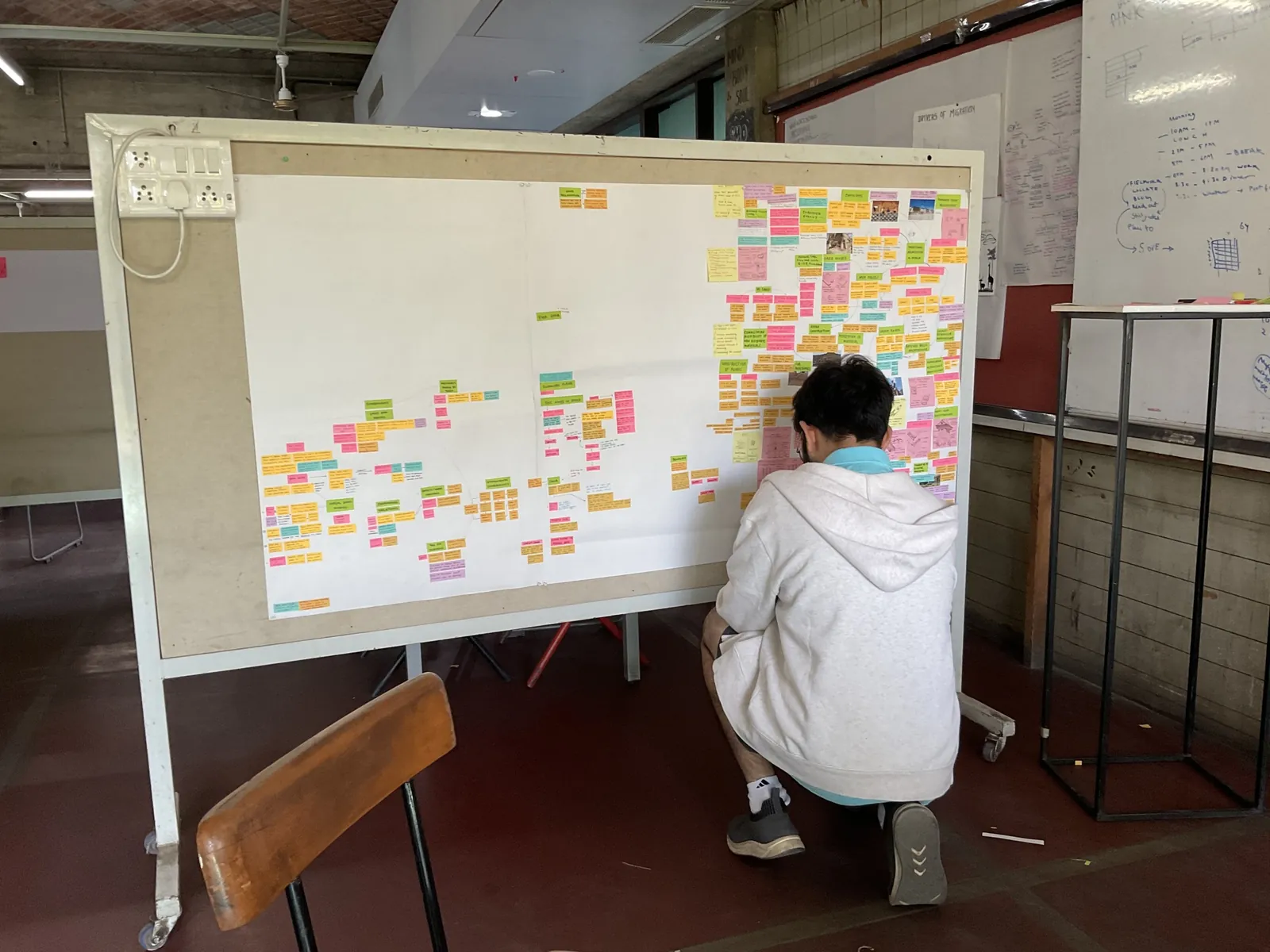
One of us crouched at a whiteboard covered in coloured sticky notes
Two of us sticking notes on a window, in silhouette

Workshop: a world without sand

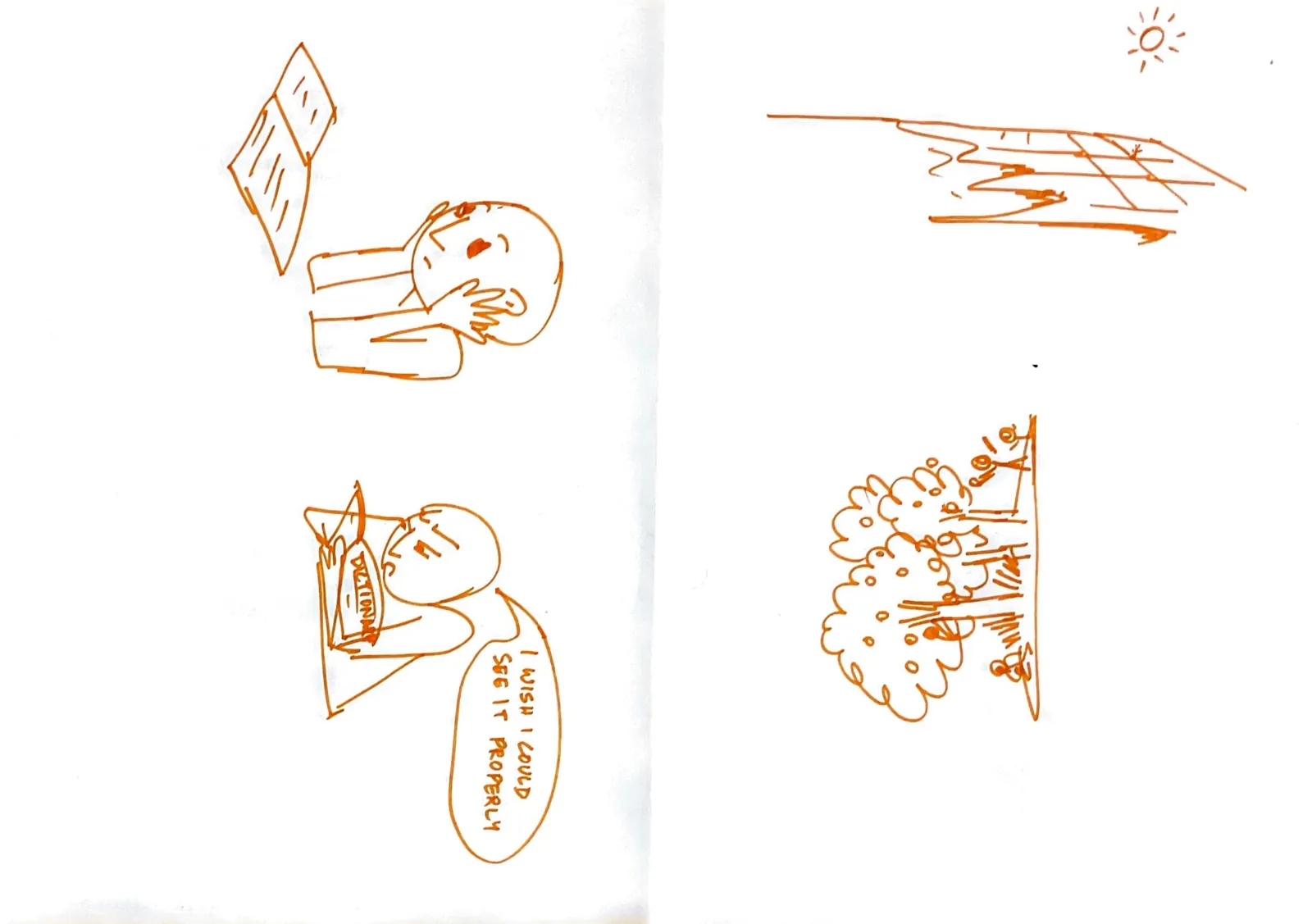
We stopped students around campus, three or four at a time, and asked them to imagine a world without water, without sand, without houses: two or three minutes each, in drawings, essays or poems. We told them the topic only at the end.
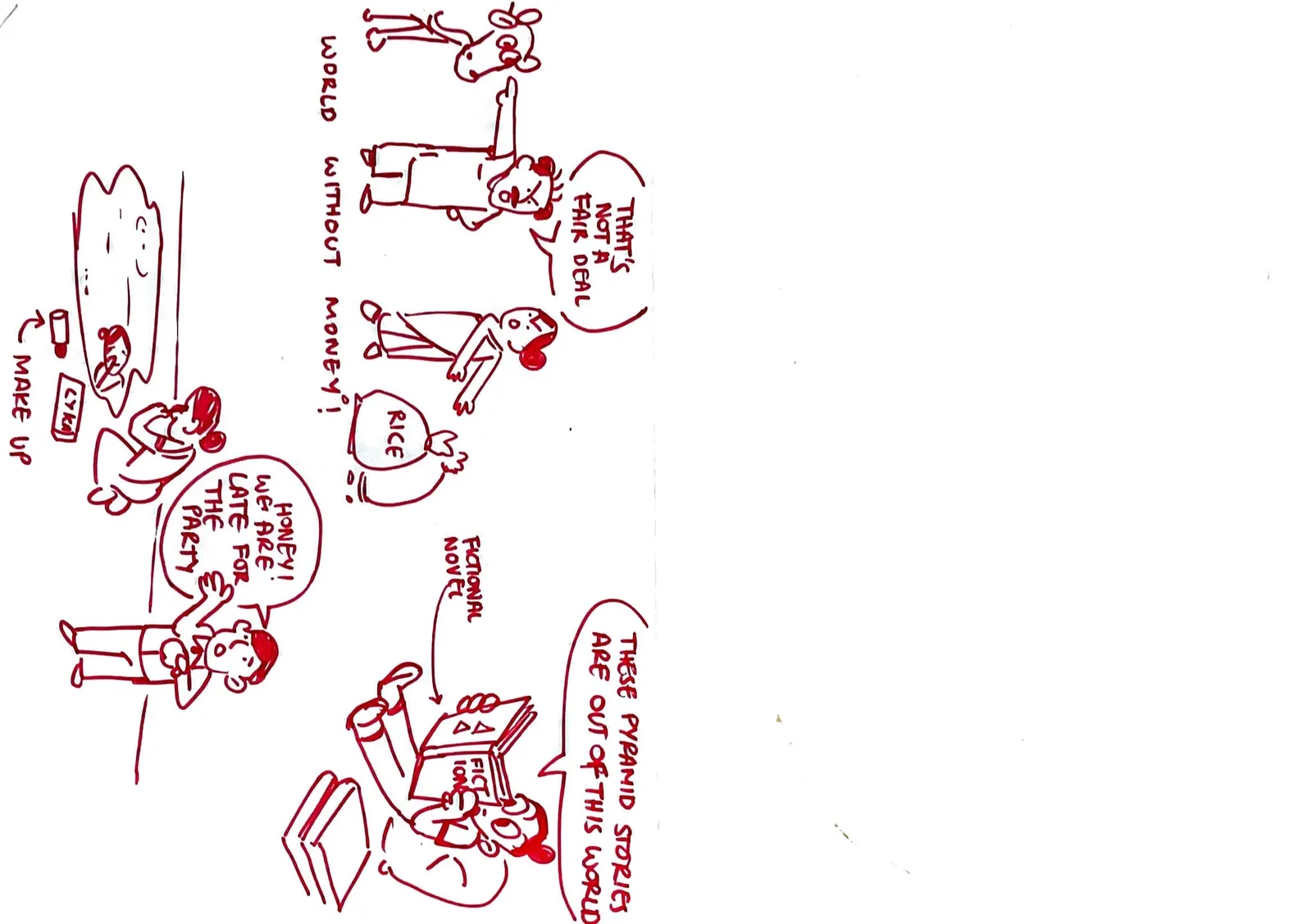
A participant’s comic in red pen: people in a world without money
A participant’s drawing in orange pen of figures and a house

Two or three people felt sand is useless and isn’t used anywhere.

Answers into images

Lavnik and Varun turned the answers into prompts for DALL·E and Midjourney. Saying no did not work: asking for no sand still put sand in the picture.
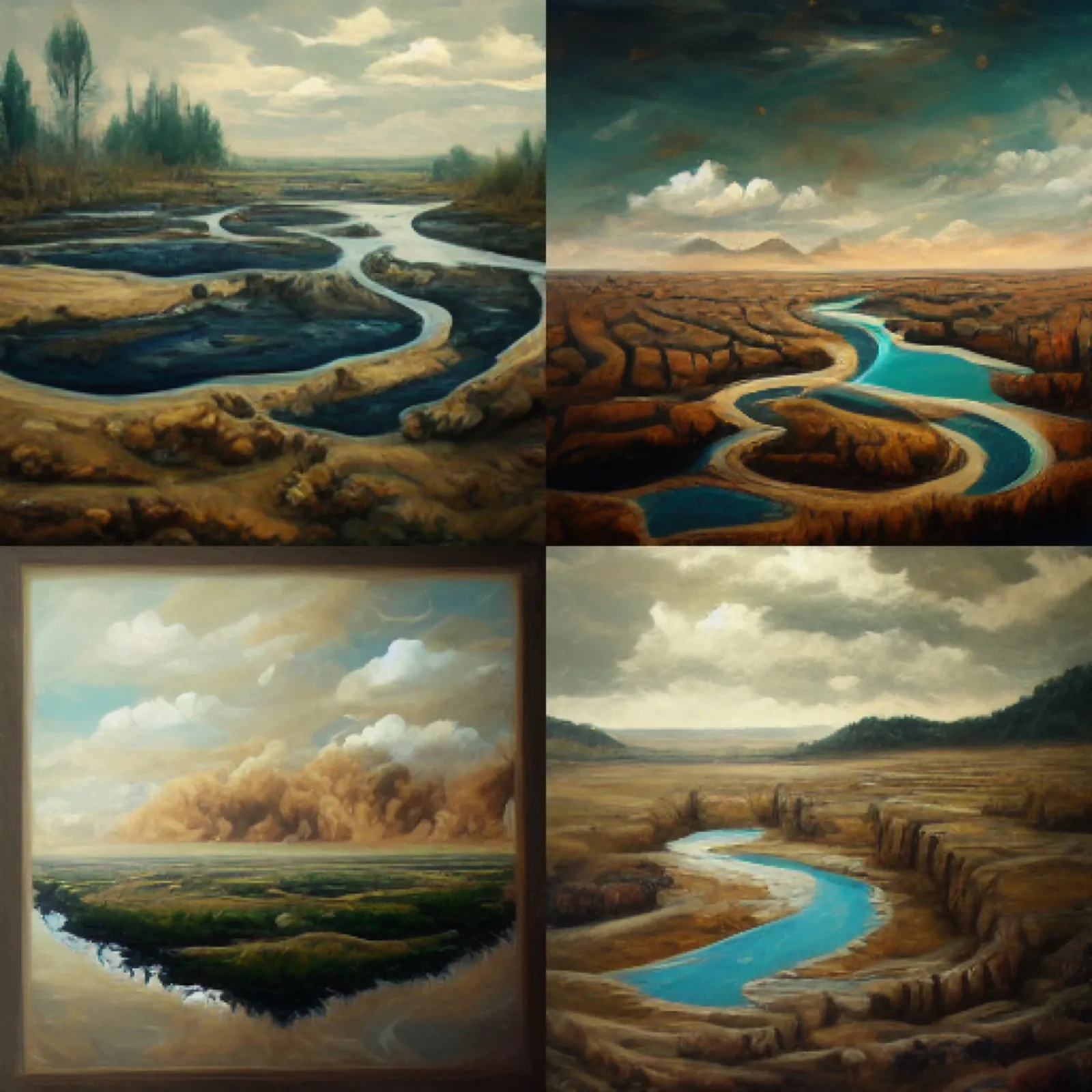
AI images from Midjourney, December 2022: four oil-painting views of an earth where the rivers have dried up

Midjourney, December 2022

Workshop: make the best Pikachu

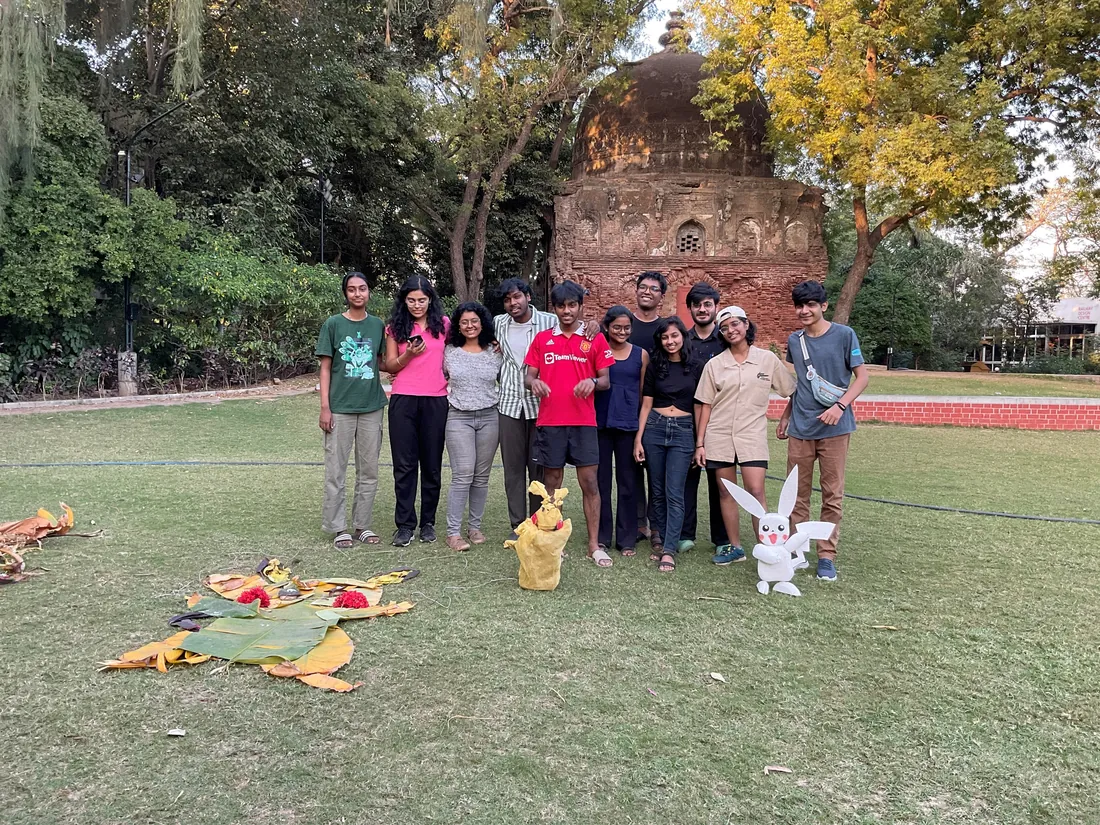
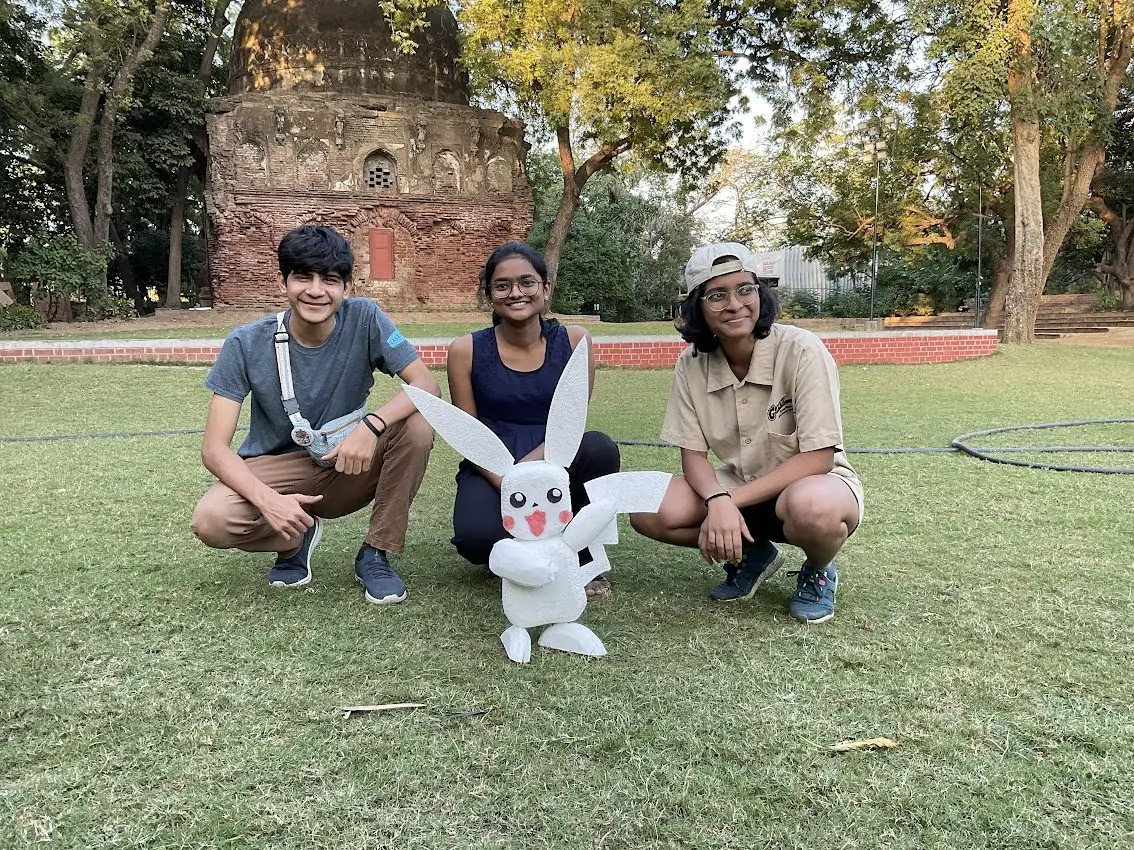
On 18 December, seven students in three groups had 30 minutes to make the best Pikachu from whatever they found within 100 m, 500 m or 1 km. First they ranked four materials: most put wood as the most sustainable and PVC the least. The point was embodied energy.
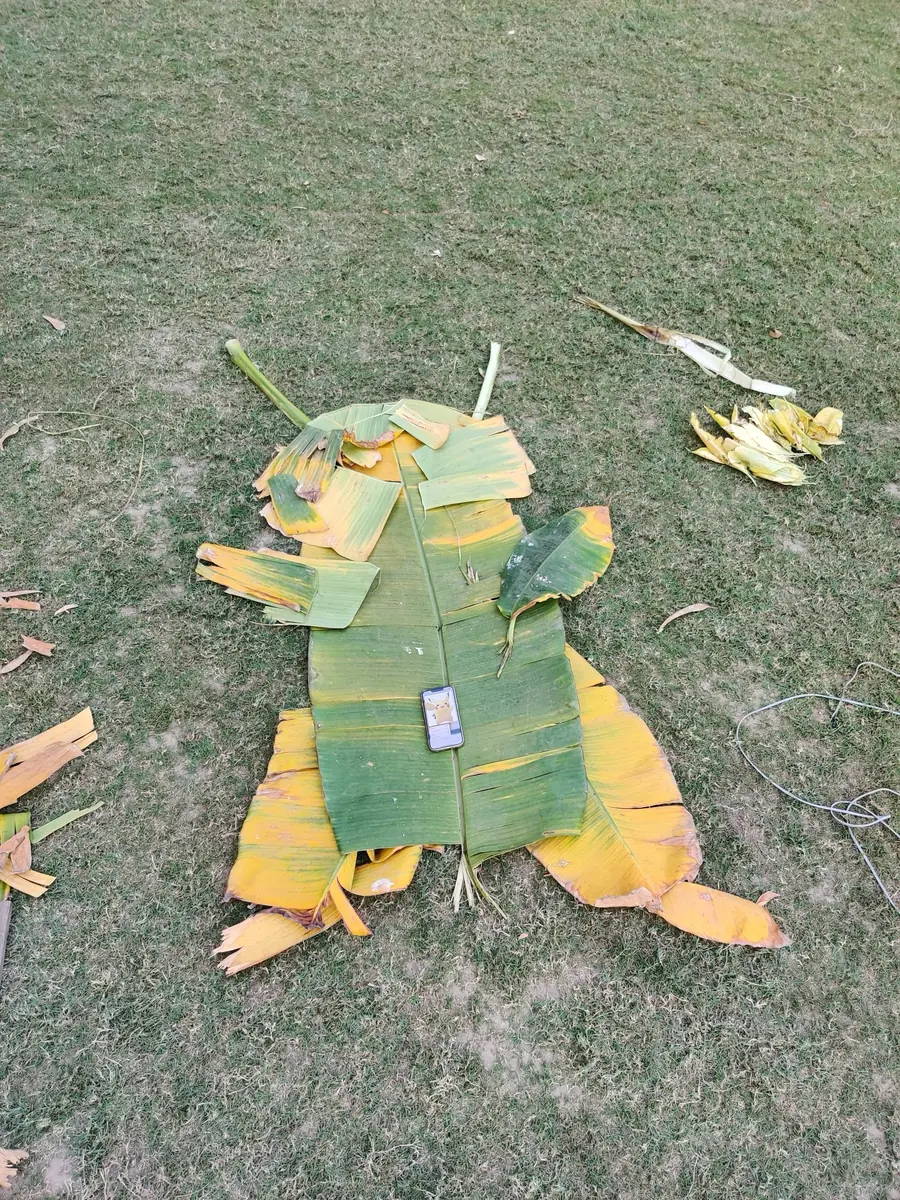
A Pikachu made of banana leaves lying on the lawn
Three participants crouched on the lawn with their white thermocol Pikachu
All the participants and us standing on the lawn with the finished Pikachus

Design proposals and policy

Seven briefs came out of it, from a database of local materials to a law that limits how far material can travel. They stayed as briefs.

Proposals
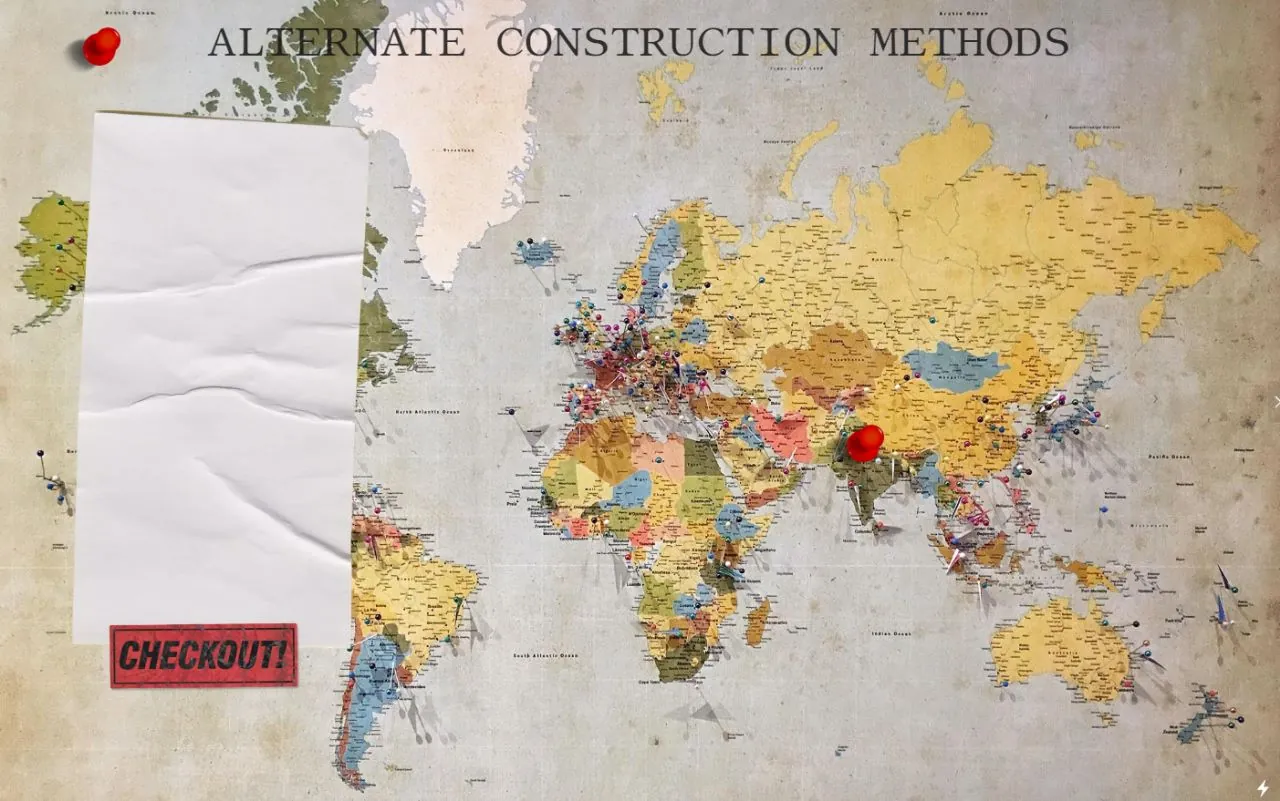
  • A world map of alternate construction methods, from the jury deck

    Local materials database

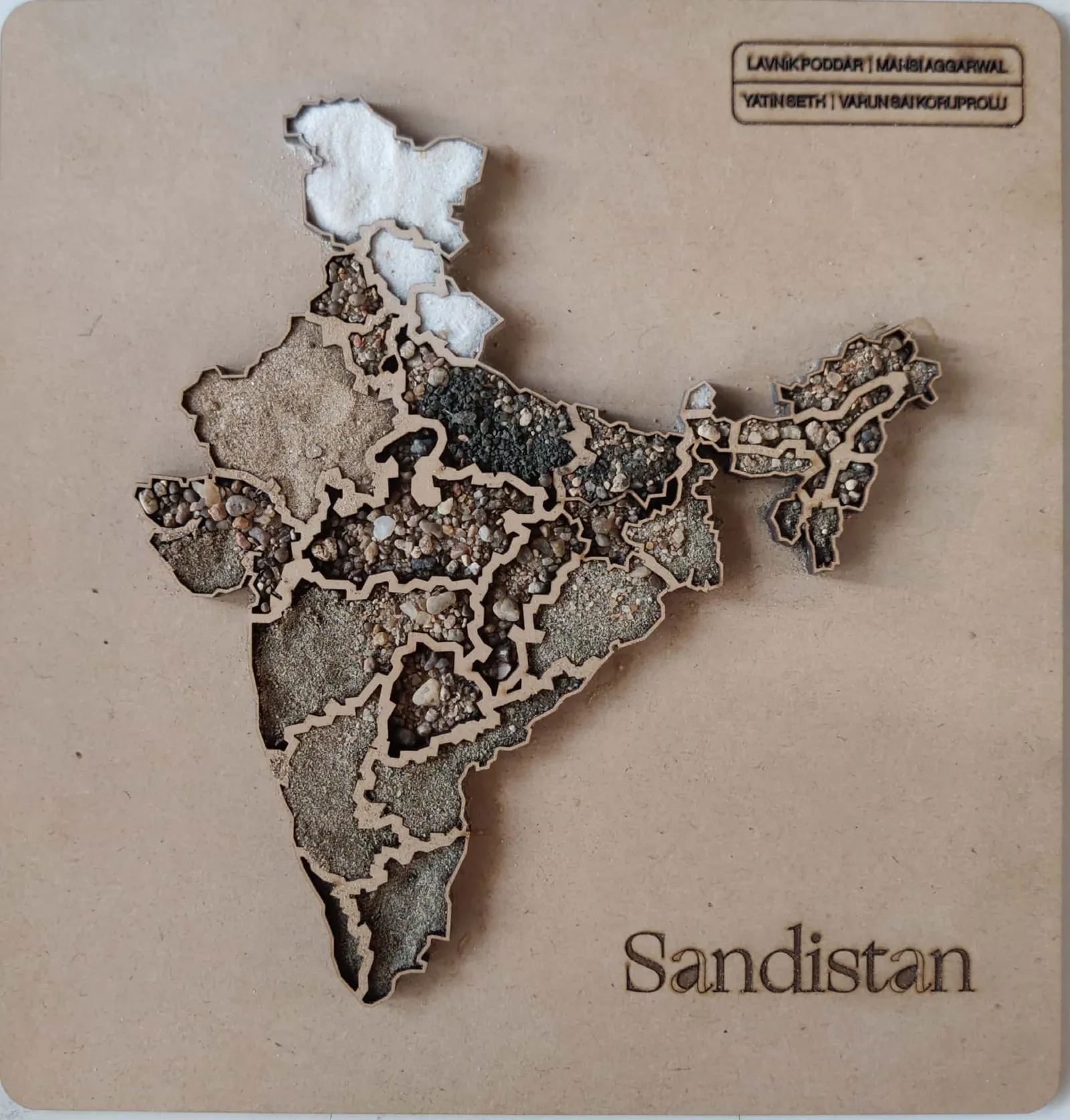
  • Sandistan: a laser-cut model of India with each state filled with a different sand, our four names engraved at the top

    Sand playscape

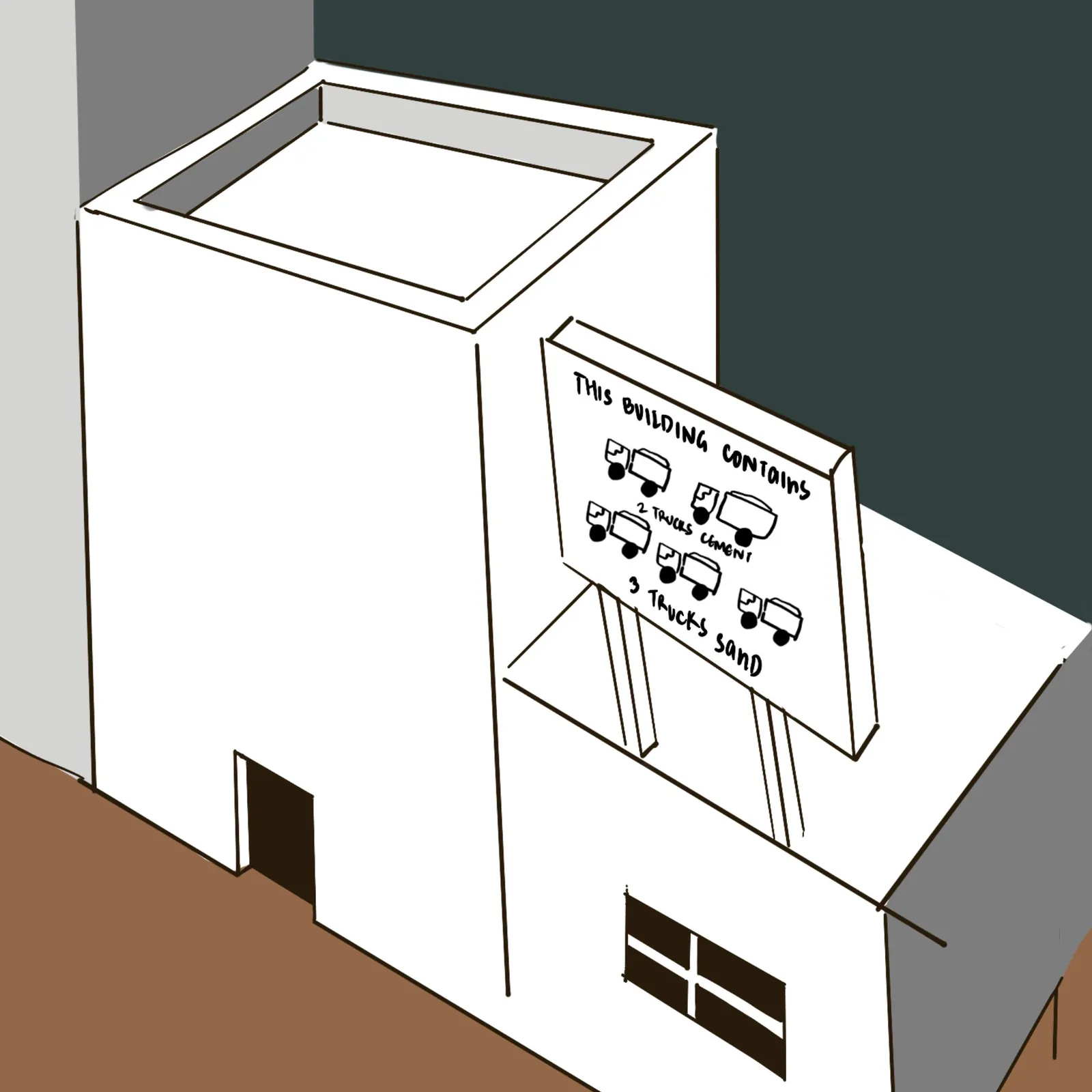
  • Sketch of a building with a board listing the truckloads of sand that went into it

    Ingredient slips on buildings

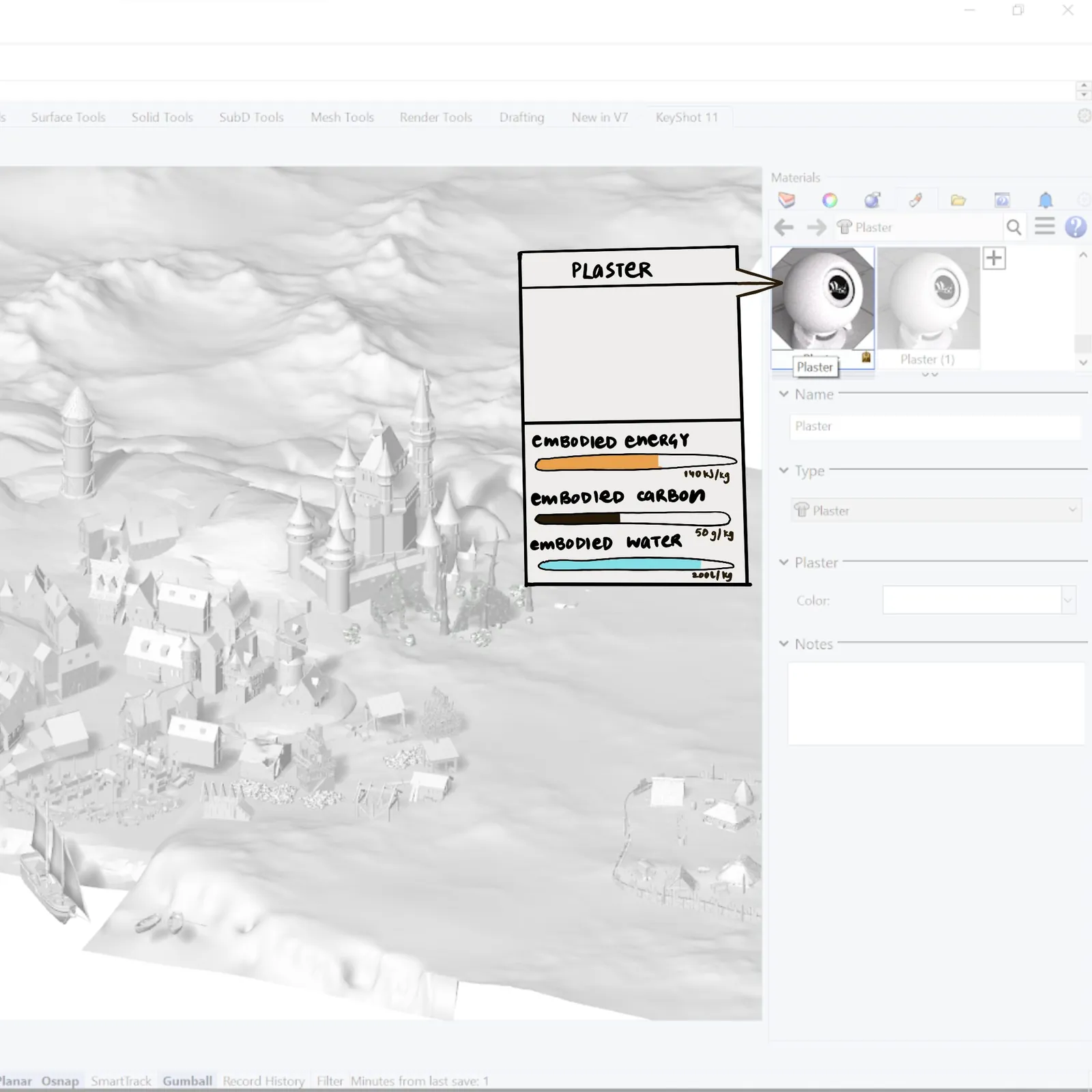
  • Mockup: a card with embodied energy, carbon and water pops up over the Gigamap’s town model in a 3D tool

    Energy trump cards in software

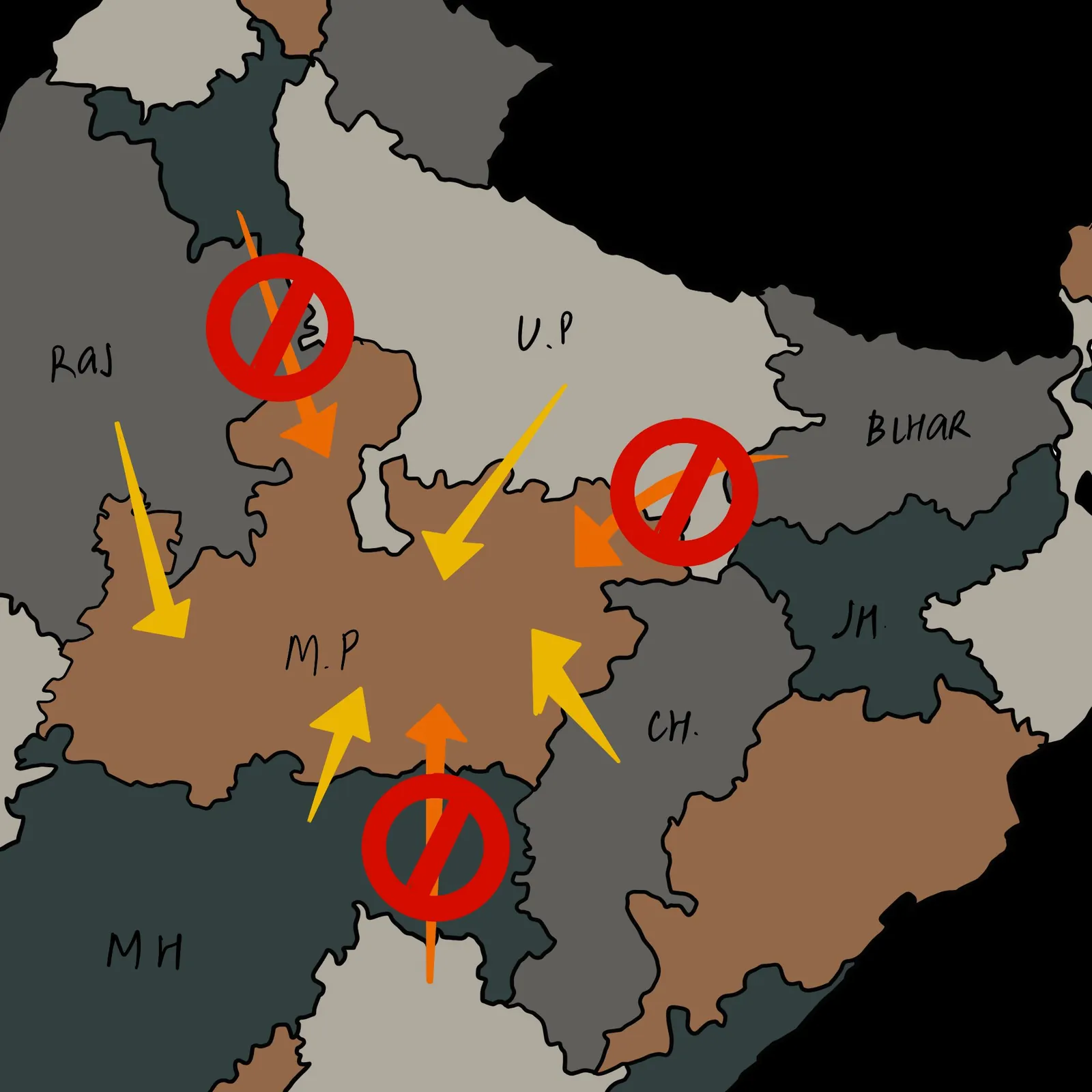
  • Map of central Indian states with arrows of material blocked at the borders

    Limits on transporting material

Proposals

Proposal 1 of 7

Local materials database

How much do we know about the materials or resources locally available in our region?

A website that serves as a database for the locally available materials and construction techniques in each region.

A world map of alternate construction methods, from the jury deck

Proposal 2 of 7

Sand playscape

How can we make children realise the importance of sand?

A play area in the shape of India, each state filled with its own sand, for children to feel the texture of sand.

Sandistan: a laser-cut model of India with each state filled with a different sand, our four names engraved at the top

Proposal 3 of 7

Ingredient slips on buildings

What if all the buildings could talk?

An ingredients list on the front of buildings: the materials that went into them and their energy.

Sketch of a building with a board listing the truckloads of sand that went into it

Proposal 4 of 7

Energy trump cards in software

How much energy are we consuming through the materials we use in our design projects?

Energy trump cards for each material inside 3D modelling software, for architects and designers.

Mockup: a card with embodied energy, carbon and water pops up over the Gigamap’s town model in a 3D tool

Proposal 5 of 7

Limits on transporting material

What if people were rewarded for need-based consumption instead of over-consumption?

A speculative law that limits how far material can travel, so each region builds with what it has.

Map of central Indian states with arrows of material blocked at the borders

Proposal 6 of 7

Snake game

Are there consequences for sellers who choose the illegal way?

Four snakes and ladders boards of 100, 60, 30 and 10 steps: the shorter the route, the more snakes.

Proposal 7 of 7

The workshop as a toolkit

How can we come up with DIY construction ideas using locally available materials?

Workshops and hackathons for architects and designers, based on our Pikachu workshop.

Final results

We mapped the whole life cycle of sand: how it is procured, processed, transported and consumed. It showed us how resources are managed, monetised and depleted. More importantly, it changed the way we think. We started seeing the world in systems: feedback loops, vicious cycles, interdependencies.

We realised we had been doing this all along in our projects, just without the words for it.